Introduction to the Mini Transat and Its Accessibility to Amateur Sailors
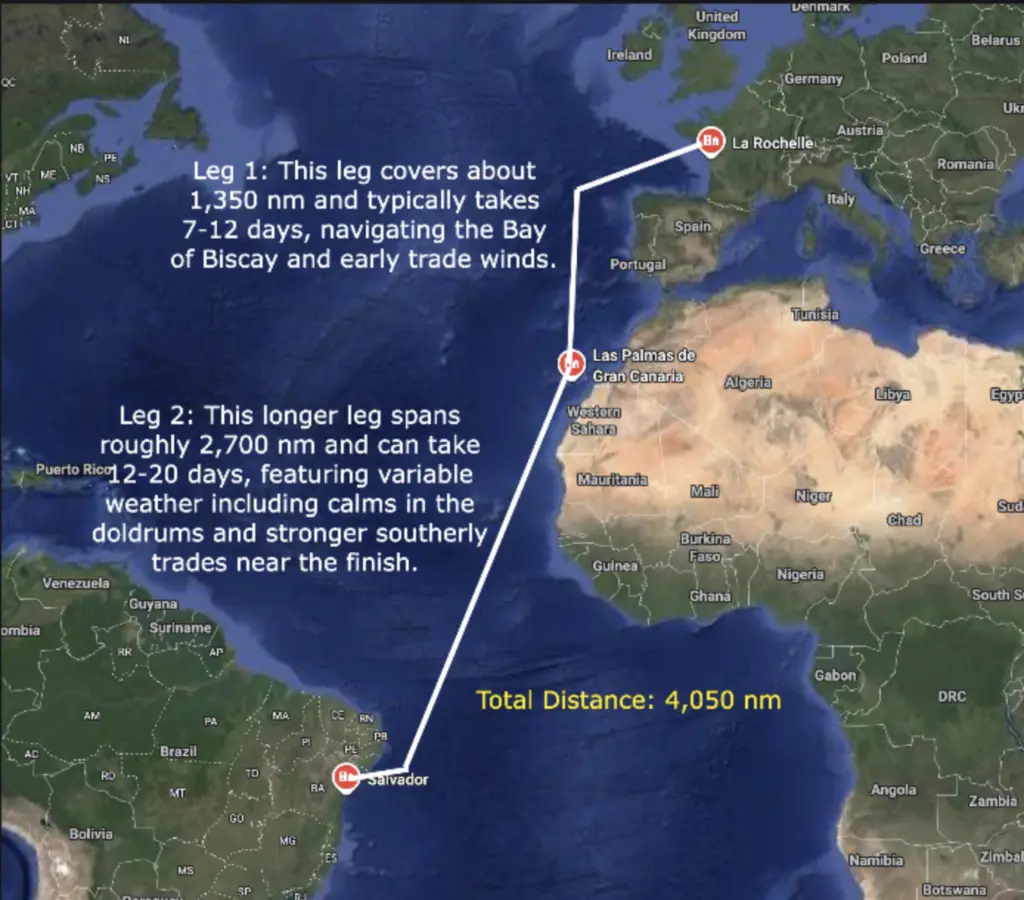
The Mini Transat is one of the most demanding solo ocean races in the world: a biennial transatlantic crossing covering approximately 4,050 nautical miles from Les Sables-d’Olonne, France, to the Canary Islands (first leg, about 1,350 miles) and then to Salvador de Bahia, Brazil (second leg, about 2,700 miles). Sailors compete in 6.5-meter (21-foot) Mini 6.50 boats, divided into Prototype (innovative designs) and Series (production boats) classes. What makes this race unique is its emphasis on self-reliance—no electronic chartplotters, laptops, or satellite communications are allowed, forcing participants to rely on traditional navigation, weather routing, and seamanship skills.

While the race attracts seasoned offshore sailors, it’s designed to be accessible to motivated individuals who may not start as highly experienced ocean racers. Many entrants begin as competent sailors with coastal or club racing backgrounds but limited solo transatlantic experience. The key to their success lies in the rigorous qualification process, structured training, and progressive racing circuit overseen by the Classe Mini organization.

This system transforms novices into capable competitors, enabling them to not only finish but potentially place competitively. In recent editions, like 2023 and 2025, several first-time participants have achieved podium finishes or strong mid-fleet results, proving that dedication and the built-in preparation pathway can level the playing field against more veteran sailors.
Entry Requirements: Starting as a Sailor, Not Necessarily an Expert

To enter the Mini Transat, applicants don’t need decades of ocean racing under their belts, but they must demonstrate basic competency and commitment. The Classe Mini requires candidates to hold a valid sailing license (e.g., FFVoile in France or equivalent) and prove they can handle a Mini 6.50 boat. Many novices come from backgrounds in dinghy racing, coastal cruising, or even non-sailing professions like engineering or military service, drawn to the race’s challenge and relatively low entry cost compared to larger offshore events like the Vendée Globe.
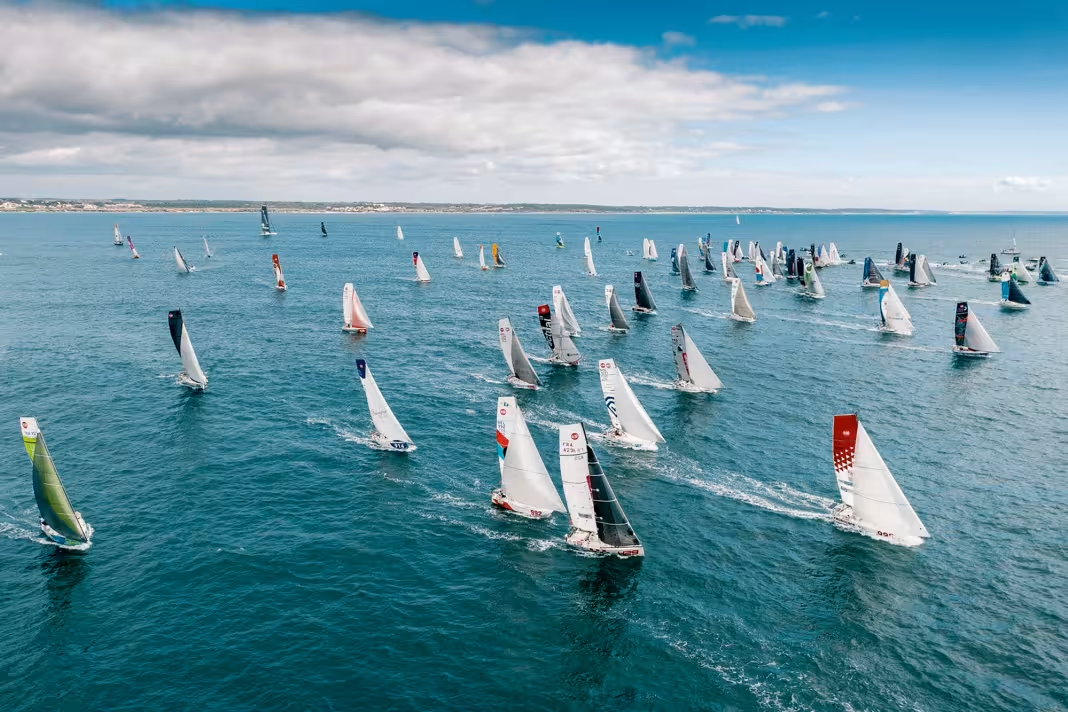
The race caps entries at around 90 boats (increased from 84 in earlier years), making it highly selective. With over 150 applicants per edition, spots go to those who complete qualifications first and accumulate the most racing miles—often double the minimum for Series boats. This merit-based system favors persistence over prior fame, allowing motivated amateurs to qualify alongside pros. For instance, sailors like Peter Gibbons-Neff, a U.S. Marine veteran with Annapolis club racing experience but no prior transatlantic solos, entered the circuit in 2021 and qualified for 2023 by methodically building skills.
The Qualification Process: Building Experience Through Trials

The heart of turning a novice into a competitive sailor is the Classe Mini’s qualification framework, which acts as a multi-year “trial by sea.” This isn’t a rubber-stamp process; it’s a deliberate progression that weeds out the unprepared while honing skills for the main event. Key requirements include:
- Solo Qualification Passage: A non-stop, 1,000-mile solo course, often sailed in the Atlantic or Biscay, where sailors must submit detailed logbooks for review. This tests endurance, navigation, and boat management in isolation. For first-timers, it’s a mandatory eye-opener, revealing personal limits and boat quirks.
- Racing Miles Accumulation: At least 1,000 to 1,500 miles in sanctioned Classe Mini races, including at least one solo event and a race with a leg over 500 miles. These can be spread over 1-3 years, with events like the Mini Calvados, Mini Fastnet, or Mini en Mai serving as stepping stones. Double-handed races allow novices to learn from partners before going solo.

This process typically takes 2 years, demanding full commitment. Sailors must buy or charter a Mini 6.50 (costs start around €20,000-€50,000 for used Series boats) and participate in the European circuit, primarily in France (Brittany and Mediterranean). The rules ensure progressive exposure: start with shorter coastal races, build to longer offshore legs, and incorporate safety training like survival courses.
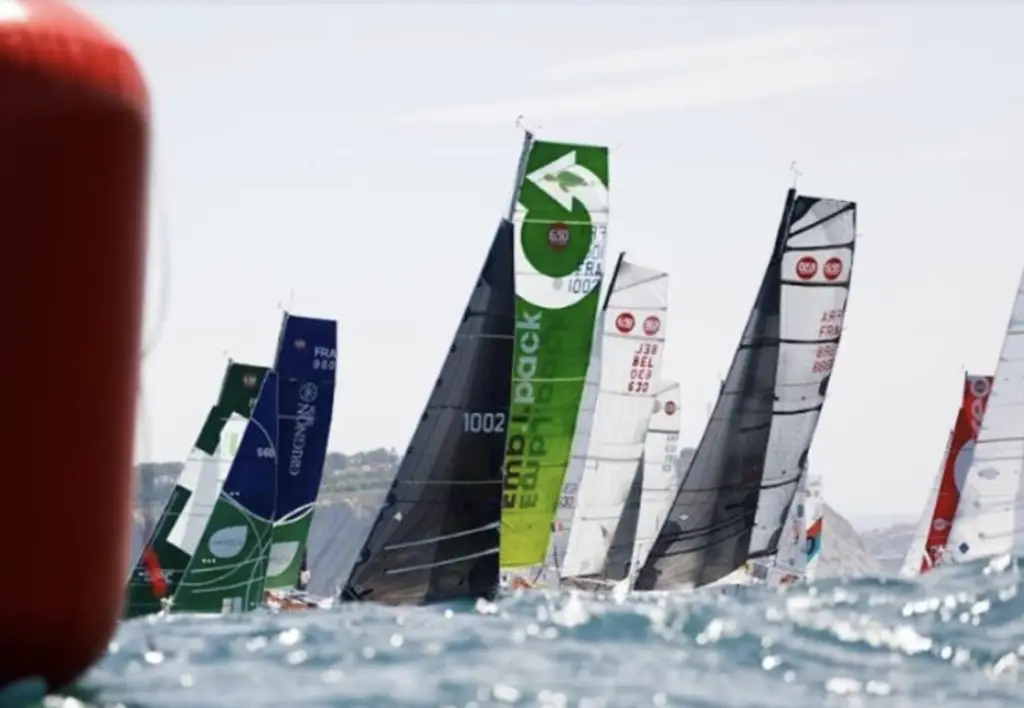
The trials foster competitiveness by simulating race conditions—big seas, variable winds, and sleep deprivation—while building a points system for entry priority. In 2023, qualified Series entrants averaged double the required miles, creating a fleet where even novices arrive battle-tested. This structure has enabled sailors like Federico Waksman, an Uruguayan engineer with limited offshore background, to qualify and win the Series division in 2023.
Training Pathways: From Basics to Race-Ready Proficiency

Beyond qualifications, structured training turns theoretical sailors into practical competitors. Many join dedicated centers like the Centre d’Entraînement Mini Concarneau (CEMC) or La Rochelle, led by Mini Transat veterans (e.g., François Jambou, 2019 winner). These programs cost €800-€1,500 annually and include:
- Weekend and Multi-Day Sessions: 8-10 weekends per year plus 4-day intensives, focusing on boat handling, rigging, electronics, and performance tuning. Novices learn to optimize sails for trade winds or survive Biscay gales.
- Theoretical Modules: Weather analysis, routing tactics, rules, and maintenance. Tools like TIMEZERO software help pre-race planning, though banned during the event.
- Physical and Mental Prep: Emphasis on fitness, nutrition (e.g., packing 30 days of freeze-dried food), and psychological resilience. Sailors practice sleep cycles (20-40 minute naps) and emergency repairs.

Boat preparation is equally vital: inspecting hulls, rigging, and sails (limited to six per boat) for durability. Sponsorships cover costs for gear, but many self-fund, balancing jobs with training. This holistic approach builds speed and strategy—novices learn to push boats to 25 knots in prototypes—while minimizing risks.
How Trials and Training Enable Competitive Finishes

The qualification and training pipeline directly correlates to competitive performance by instilling key skills:
- Technical Mastery: Repeated races teach sail trim, autopilot use, and energy management, turning average speeds from 6-8 knots to 10-12 knots in trades.
- Strategic Thinking: Exposure to diverse conditions hones weather routing and risk assessment, crucial for the race’s variable legs (stormy Biscay vs. steady trades).
- Resilience: Solo miles build mental toughness; many report “learning their limits” through breakdowns or fatigue, leading to better decision-making.

Statistically, completion rates hover around 80-90%, with novices often finishing mid-pack or better if they maximize prep. The race’s design—shorter legs, mandatory stops—allows recovery and adjustment, rewarding those who adapt quickly.
Real-World Examples: Novice Transformations and Success Stories
Numerous cases illustrate how novices succeed:

- Benoit Marie (2013 Winner, Prototype): A relative rookie with just the required miles, he won by mastering his boat’s potential, finishing without realizing he led. His story highlights how the process equalizes opportunities.

- Federico Waksman (2023 Series Winner): Starting as a Río de la Plata club sailor, he qualified over two years, won the Mini Fastnet in 2025, and became the first South American victor, emphasizing persistence over initial experience.

- Peter Gibbons-Neff (2023 Finisher): An American with coastal roots, he completed qualifications in 2021-2023, finishing respectably while promoting veteran causes. His goal was a top-third placement, but completion was his triumph.

- Joshua Schopfer (2025, 5th Series): Swiss-British novice who placed fifth after intensive training, just hours behind the leader in a competitive field.

- Carlos Manera (2023 First Leg Winner): From a Spanish club background, he dominated the opening stage, showing how circuit racing builds podium potential.
Other notables include Melwin Fink (3rd in 2021) and Hendrik Lenz (strong 2025 contender), both starting as German amateurs and leveraging the system for top results.
Conclusion: The Path to Competitive Capability

The Mini Transat’s genius lies in its democratizing structure: it welcomes sailors with basic skills but molds them through mandatory trials, racing, and training into athletes capable of competitive times. What begins as a dream for novices—often requiring life changes like relocating to France or securing sponsors—evolves into reality via a process that builds mileage, expertise, and grit.

While not every entrant wins, the system’s rigor ensures most finish safely and strongly, with many advancing to elite races like the Vendée Globe – a solo, non-stop, round-the-world yacht race. For those willing to commit, the Mini Transat proves that experience isn’t inherited—it’s earned, one mile at a time.
About The Author