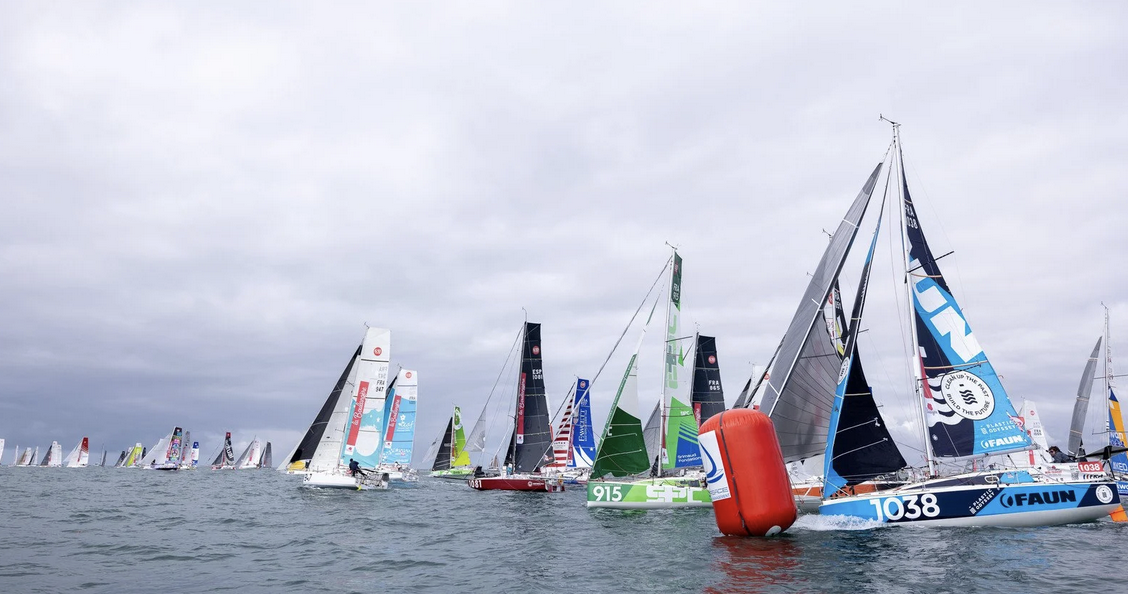
The 2027 Mini Transat, officially known as the Mini Transat 6.50, is a biennial solo transatlantic sailing race covering approximately 4,000 nautical miles from France to Brazil, sailed in compact 21-foot (6.5-meter) boats divided into prototype and series (production) categories.
Registration for the event is managed through the Classe Mini, the governing association for Mini 6.50 racing, and involves a formal application process that opens well in advance—typically 1-2 years prior to the race start—to allow for qualification mileage accumulation and boat certification.
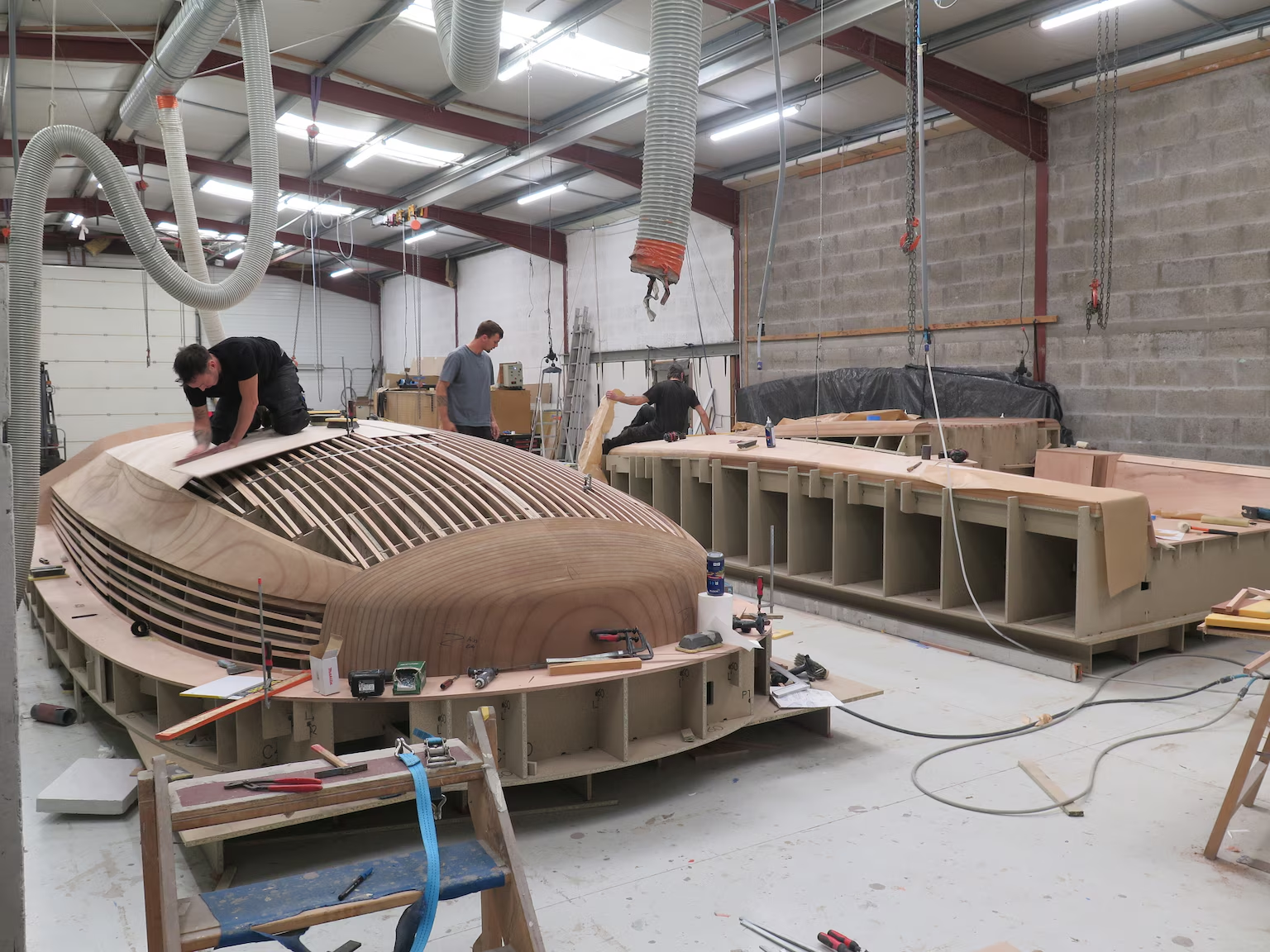
Prospective entrants must submit documentation including proof of prior racing experience, medical fitness certificates, boat measurement compliance with class rules (e.g., certified marine plywood for certain components, professional fabrication for keel and rudder in some classes), and payment of entry fees, which can vary but include provisions for late entries (e.g., an additional €2,500 for submissions after mid-2028 in similar events). The process emphasizes sustainability and accessibility, with recent updates aiming to make the class more inclusive while maintaining rigorous safety standards.
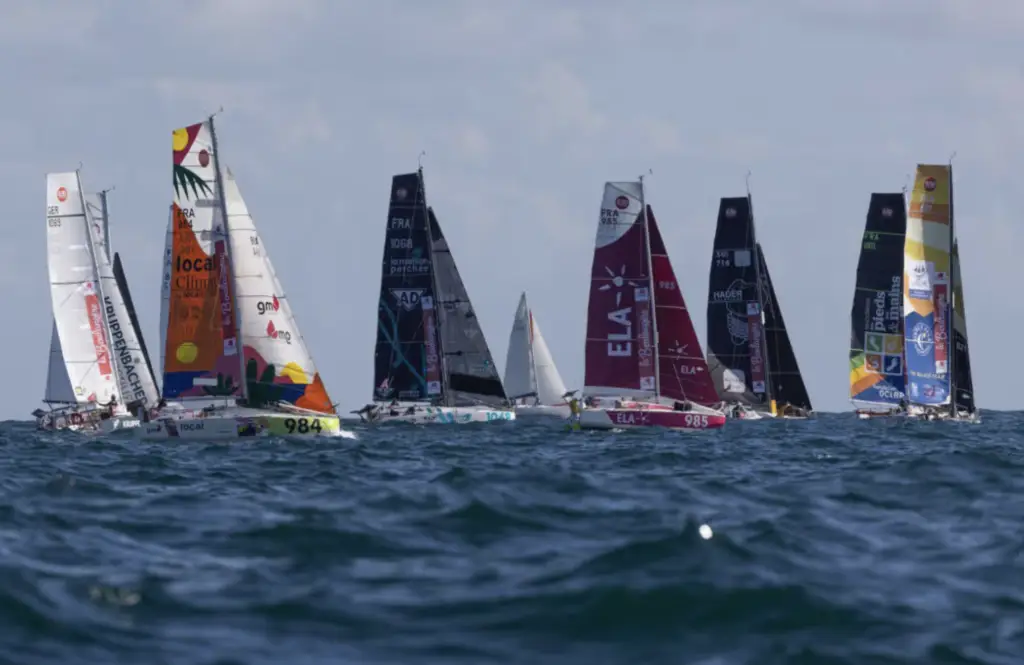
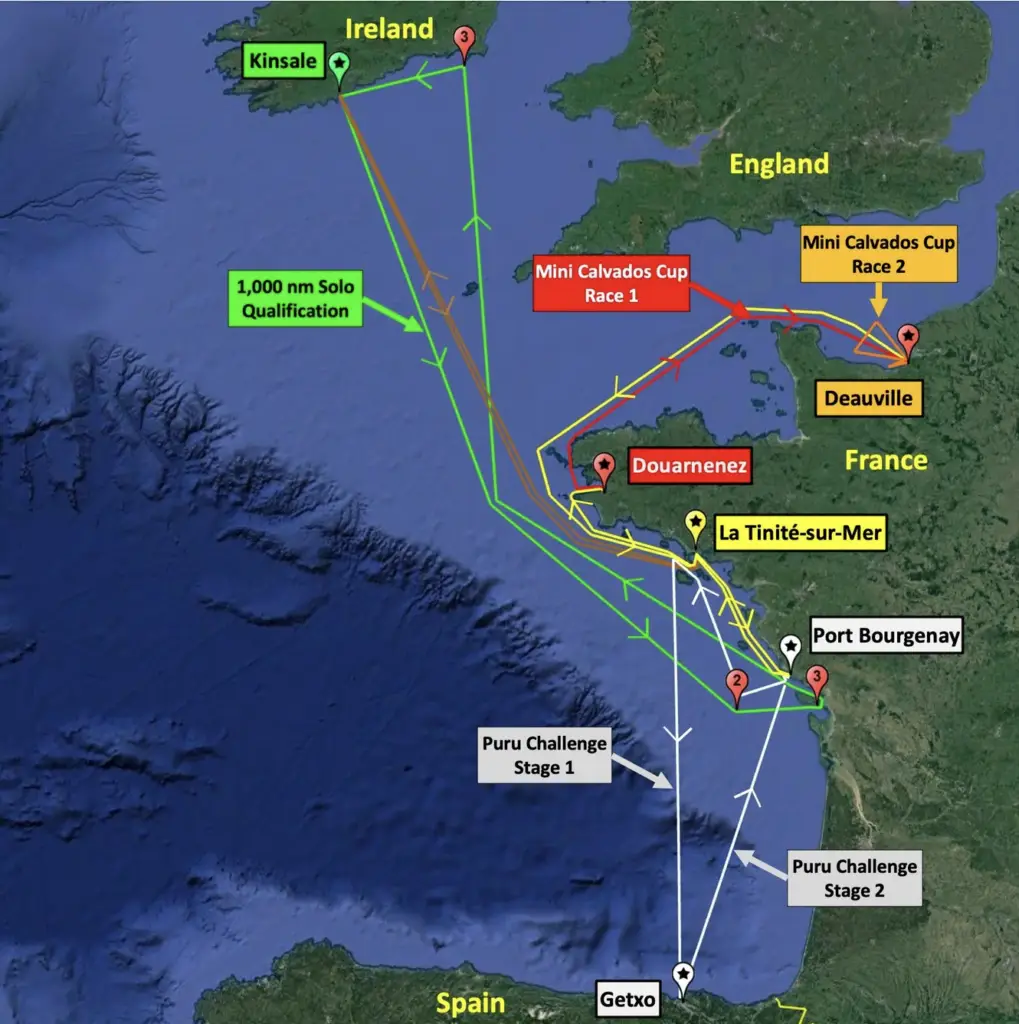
Entry requirements focus on demonstrating competence in solo ocean sailing to ensure participant safety in this demanding, non-assisted race (no external communications or routing allowed). Core qualifications include completing a 1,000-nautical-mile solo, non-stop passage and accumulating at least 1,500 nautical miles through participation in official Classe Mini races. For the 2027 edition, a new qualification measure was introduced last year, requiring enhanced emphasis on prior race mileage while keeping the core criteria intact; this includes mandatory training in survival, weather routing, and boat maintenance.
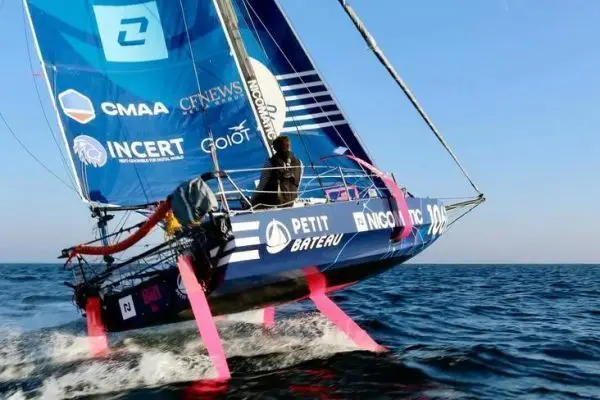
Entrants must also affiliate with a recognized training center or have a structured two-year sporting project, with priorities given to those demonstrating commitment to the Mini Transat as a goal. Age minimum is typically 18, and while there are no upper limits, physical and mental resilience are implicit through the qualification process. Boats must pass class measurement and safety inspections, with prototypes allowing innovation (e.g., foils) and series boats adhering to production standards.
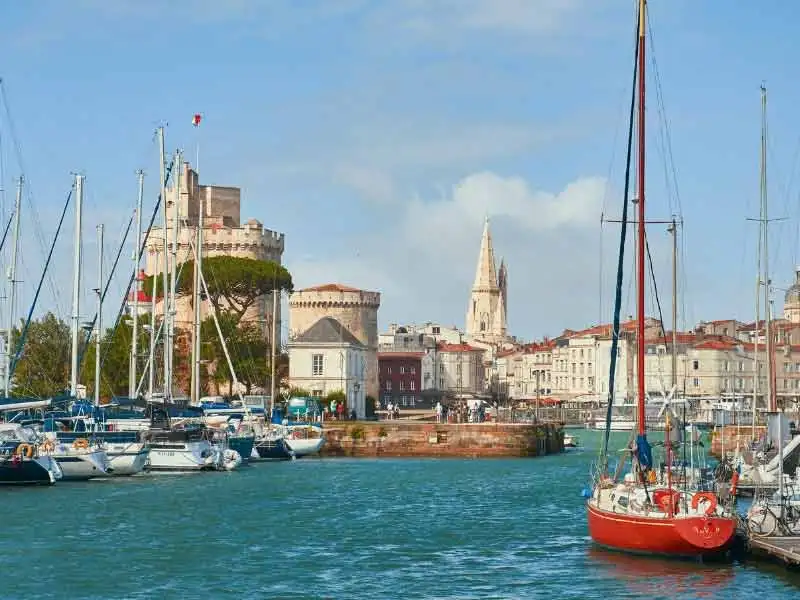
Earlier announcements in January 2026 confirmed La Rochelle as the departure port for the 2027 and 2029 editions, following a successful bid by the city in partnership with Las Palmas de Gran Canaria as a stopover. The bid was formalized after a vote by the Classe Mini in early January 2026, with no detailed public events noted for mid-February.
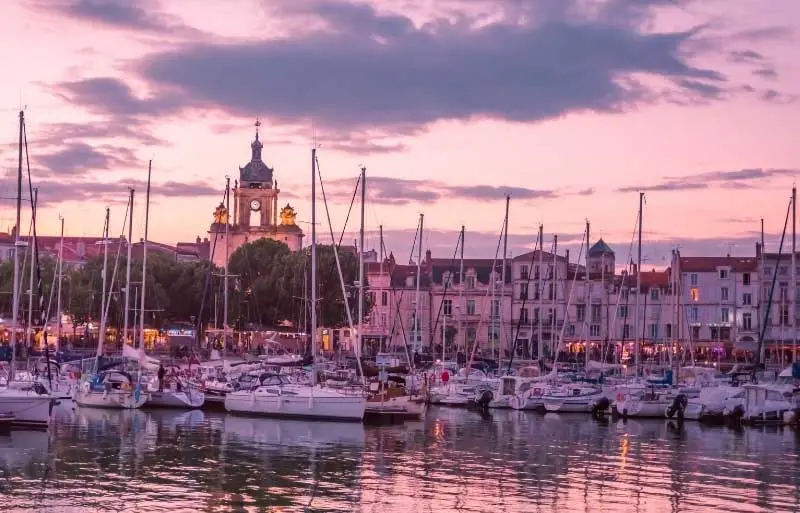
The race’s organizational kickoff started with the January 2026 announcements, where celebratory events like press conferences and partnership unveilings occurred in La Rochelle, involving local officials and sailing federations. Entries have met with representatives from the Classe Mini, local organizing committees (e.g., Communauté d’Agglomération de La Rochelle), and partners like the Fédération Française de Voile (FFVoile) during initial planning phases, as seen in sailor-specific campaigns.
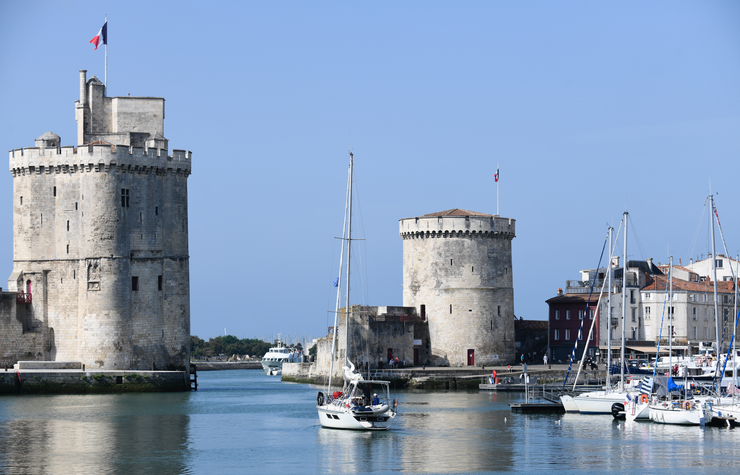
The location of initial meetings for the 2027 edition has been centered in La Rochelle, France, at venues like the Bassin des Chalutiers and associated nautical facilities, with announcements involving city councilors such as Pedro Quevedo and Sèverine Lacost.
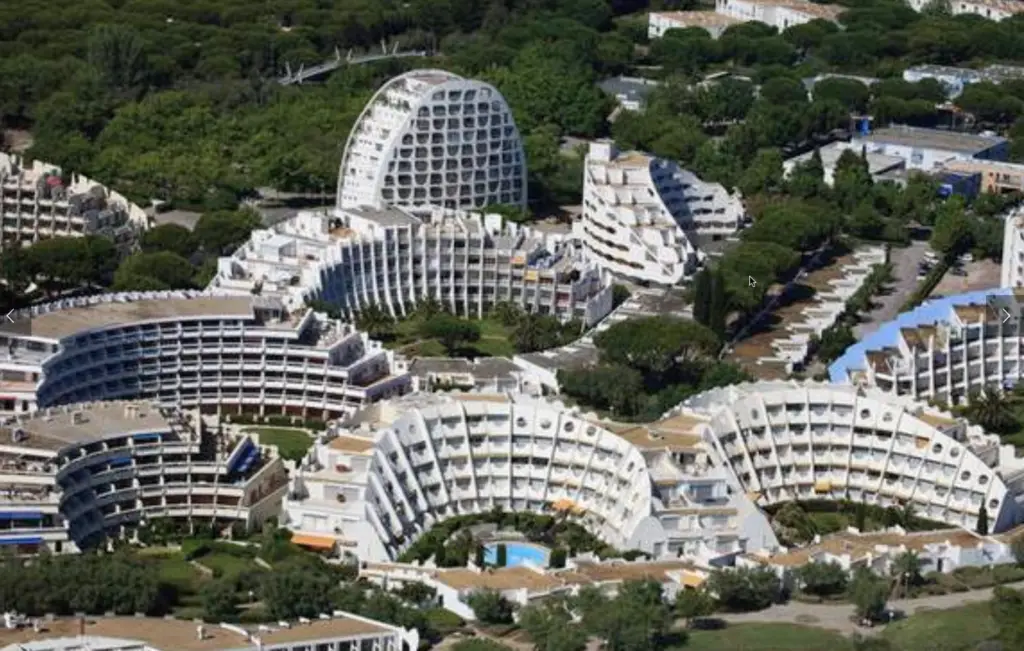
Course training and classroom activities are or will be held at recognized centers affiliated with the Classe Mini, including the Centre Excellence Voile in La Rochelle for local sessions, the Pôle Course au Large in Lorient for advanced offshore training, the Centre d’Entraînement Méditerranée in La Grande Motte, and international hubs like those in Italy or Spain for preparatory races. These involve hands-on sailing, navigation courses, and safety drills, often starting in early qualification seasons like 2026.
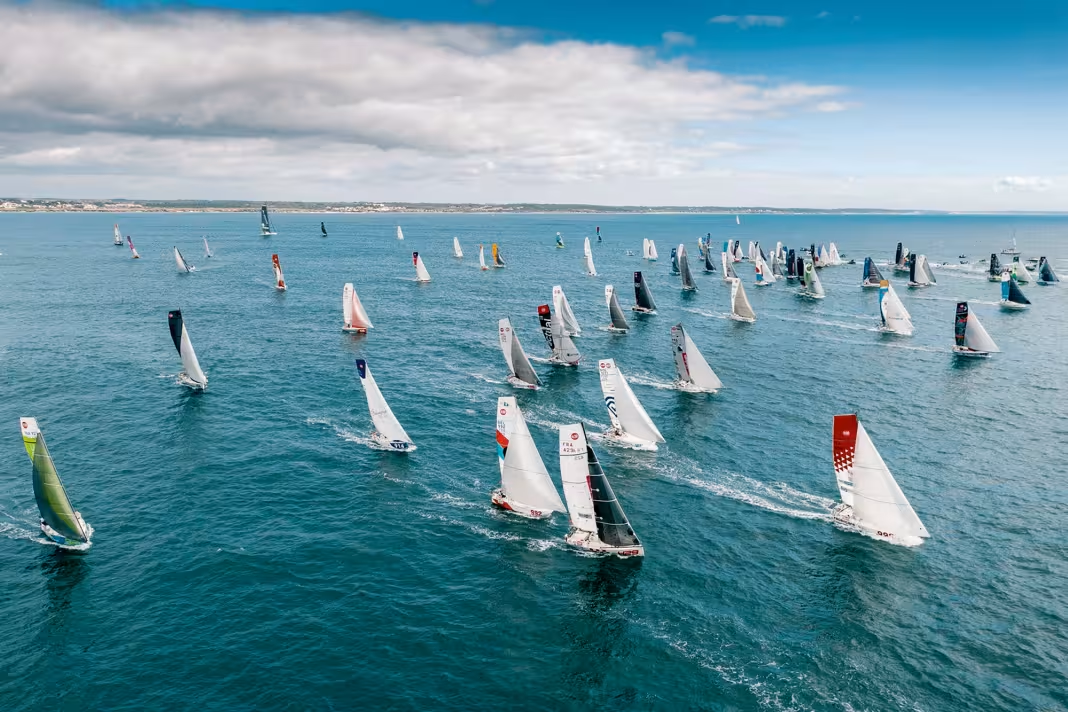
The number of entries for 2027 is not yet finalized, as registrations are ongoing and typically cap at around 84-90 sailors based on past editions, with selections prioritizing qualified applicants. A complete list of entries is not publicly available at this stage, as the race is still in early preparation; however, announced campaigners include Jannes Llull (Germany), Brian Gray (USA), Peter Gibbons-Neff Jr. (USA, with a new foiling prototype), Juan Ángel Bilbao (Spain, focusing on lymphoma awareness), and Nathan Mesiano (France, a one-armed sailor with FFVoile support), and Brice Cunningham from Charlottesville, VA, who will be chronicled by this site (USA, with a production boat a Raison Maxi 650 design, that placed 24th out of 57, in the 2025 Mini-Transat Race). A full list of faculty and administrative staff for training is not comprehensively detailed, but key figures include trainers at centers like Jean-Pierre Dick (associated with FFVoile partnerships) and Nicolas Groleau (JPS Production for boat builds); administrative roles are handled by Classe Mini’s secretariat, with contacts available for inquiries.
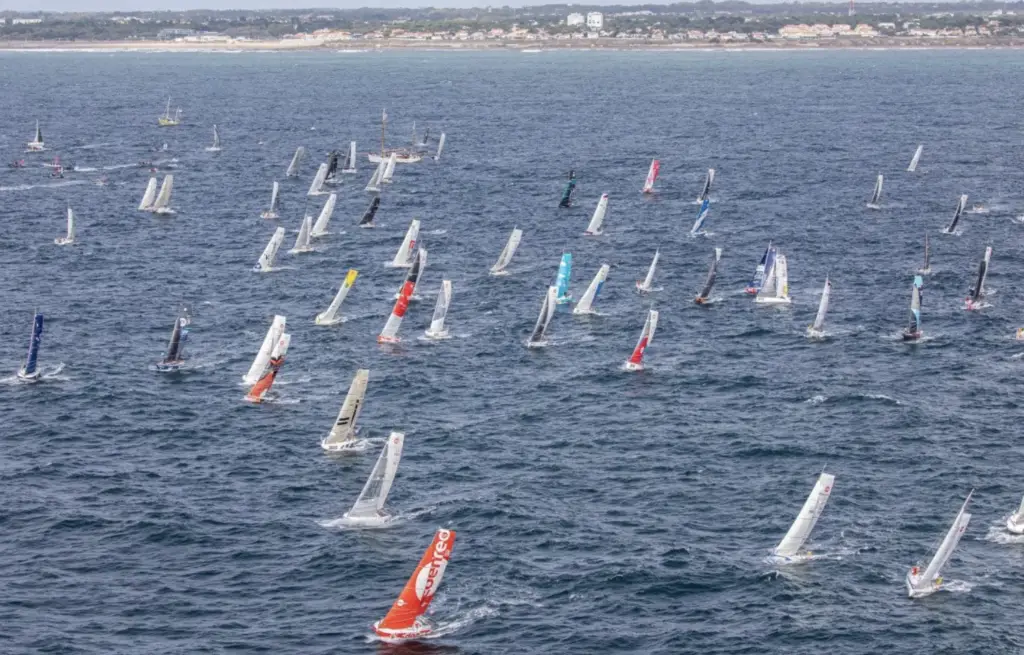
Entry fees for the individual preliminary races in the Classe Mini circuit vary by event, as each is organized independently with its own notice of race. As of February 2026, the full 2026, no specific entry fees published on the official Classe Mini website. Based on available notices of race and historical data from similar events:
- Shorter Category C races (like 100-200 NM) typically range from €200 to €400.
- Mid-range Category B races (200-500 NM) often cost €400 to €600.
- Longer Category A races (500+ NM) can be €600 to €1,000 or more, depending on length and format (solo or double-handed).
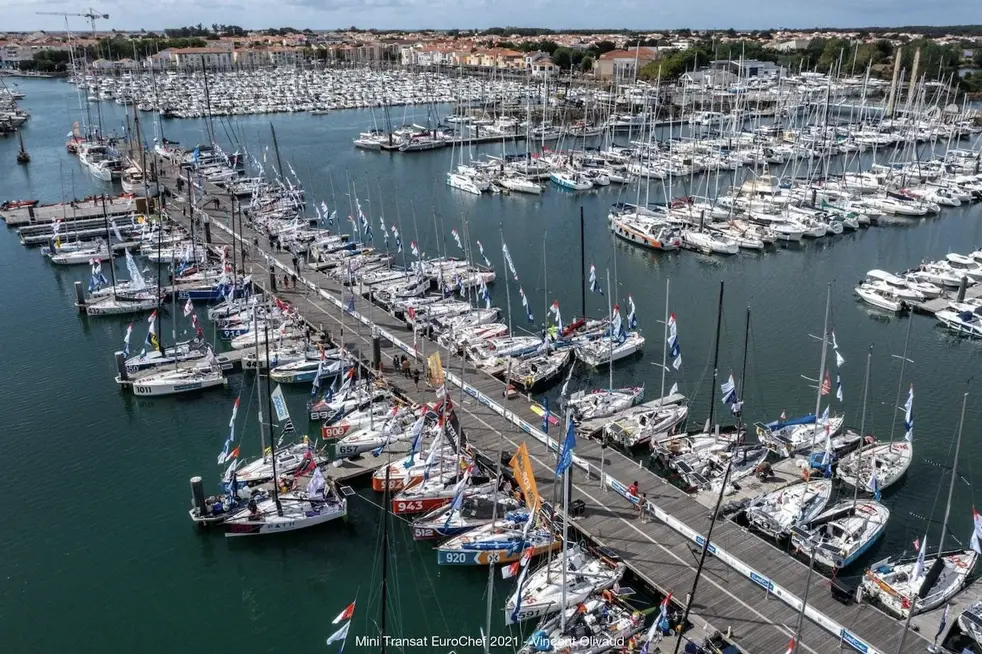
For example:
- ROMA x2 2026 (a 500 NM double-handed race): €500 (with a €250 late fee surcharge if entered after March 21, 2026).
- This includes mooring, trailer parking, satellite tracking, and a crew party. Cancellations retain €300 for organizational costs, or the full amount if within 10 days of the start.
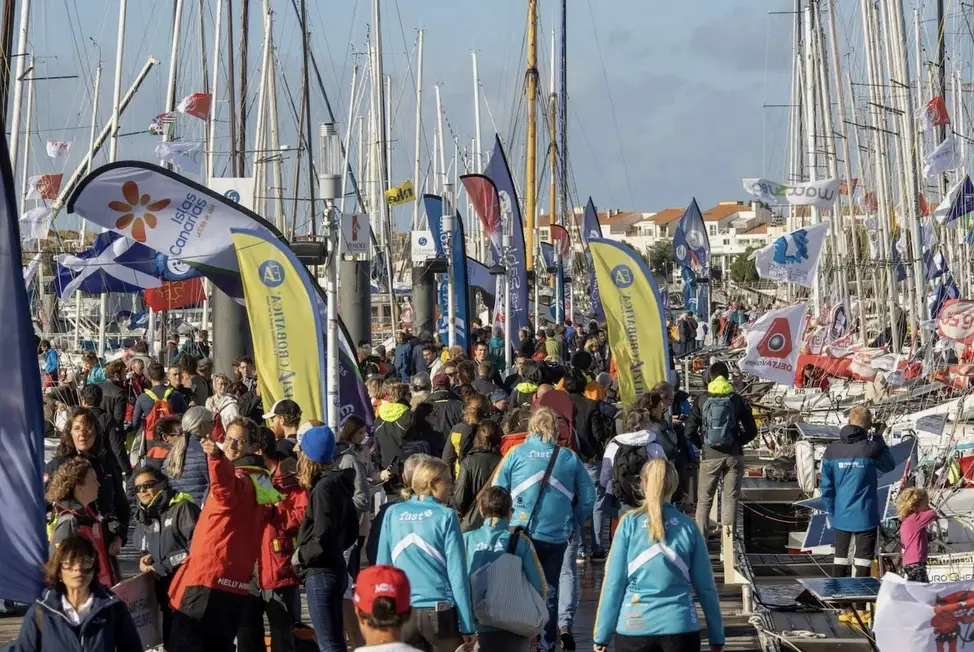
Fees are paid via bank transfer upon registration, and races often have maximum participant limits (e.g., 50 boats for ROMA x2). Skippers must also factor in Classe Mini membership (€100-200 annually, depending on status) and any required safety equipment costs, but these are separate from race entry.
For the MINI PETROLERA 2026 specifically (100 NM, solo, Category C, OSR 3), no entry fee is publicly detailed yet, but as a short coastal event, it is likely in the €200-300 range based on comparable races. Check the organizer’s website (Club Nàutic Garraf) or the Classe Mini site for updates closer to the March 6, 2026 start.
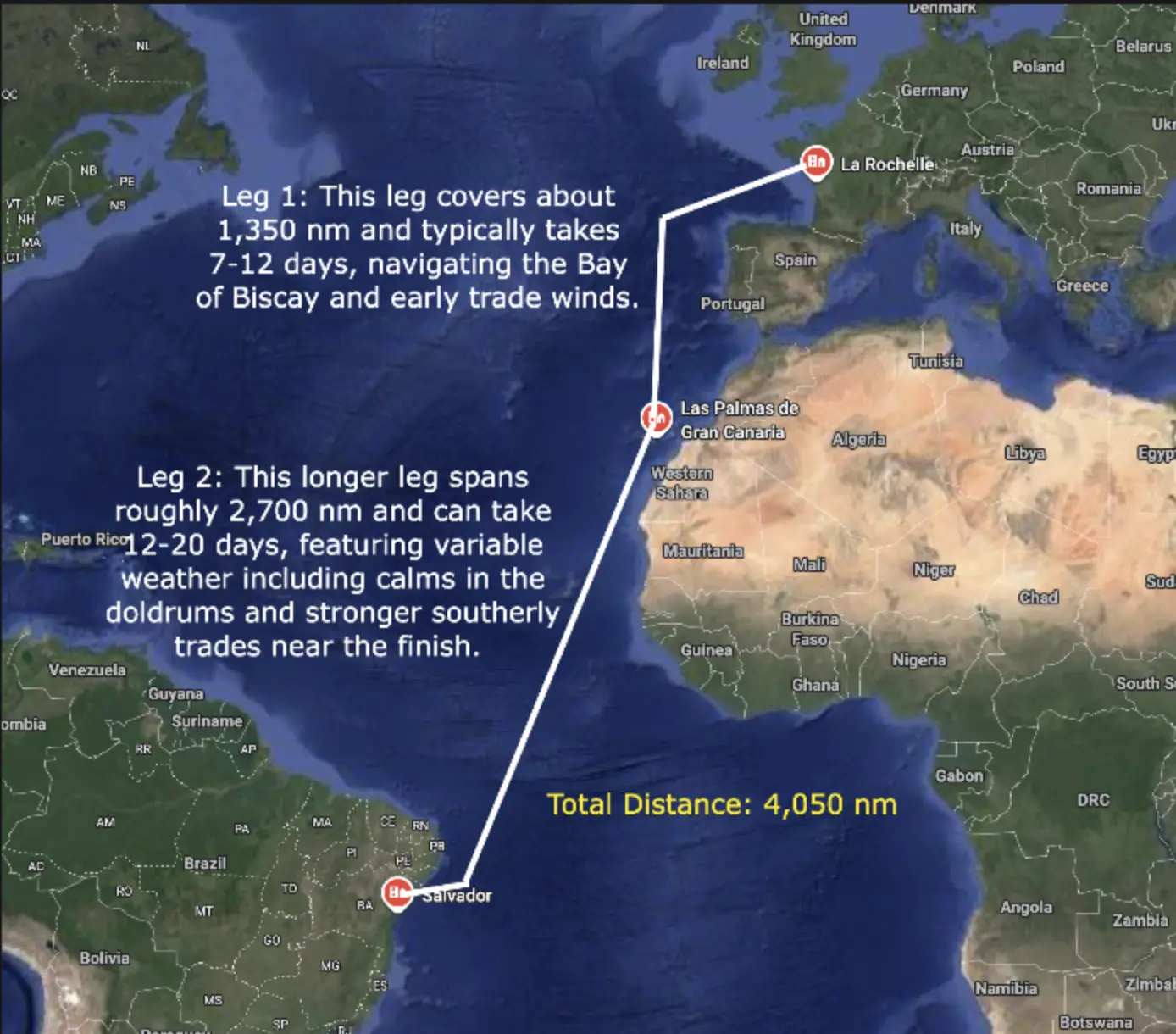
For the 50th Anniversary 2027 Mini-Transat (the main event, approximately 4,050 NM solo transatlantic from La Rochelle, France, to Las Palmas de Gran Canaria, then to Salvador de Bahia, Brazil), the official notice of race has not been released as of February 2026. Based on the 2025 edition:
- Entry fee: €3,500 (including VAT, or €2,750 excluding VAT).
- Additional tracker rental: €600.
- Total: €4,100.
This is paid in installments, with dates specified in the notice of race. For comparison, the 2023 edition was approximately $3,200 (~€2,950 at the time). One skipper preparing for 2027 estimates it could be “significantly more” expensive than qualifiers, potentially aligning with a rough 1€ per nautical mile guideline (suggesting ~€4,000-5,000 for the full race). Qualification requires completing preliminary miles and races, but the entry fee covers race organization, tracking, and basic logistics. Expect updates on the official Mini-Transat or Classe Mini websites by late 2026.
Websites chronicling the process include the official Classe Mini site (https://www.classemini.com/) for rules, documents, and updates; Sailorz (https://sailorz.com/) for news on sustainability and changes; Yacht.de (https://www.yacht.de/) for sailor profiles; Sail-World (https://www.sail-world.com/) for campaign launches and race previews; Global Solo Challenge (https://globalsolochallenge.com/) for related solo racing insights; and individual campaign sites like this one – CharlottesvilleYachtClub.com. Future training races will be listed on the Classe Mini calendar, with events like the Mini en Mai or Pornichet Select serving as qualifiers leading to the final 2027 start from La Rochelle.
About The Author