Introduction to the Mini-Transat Race
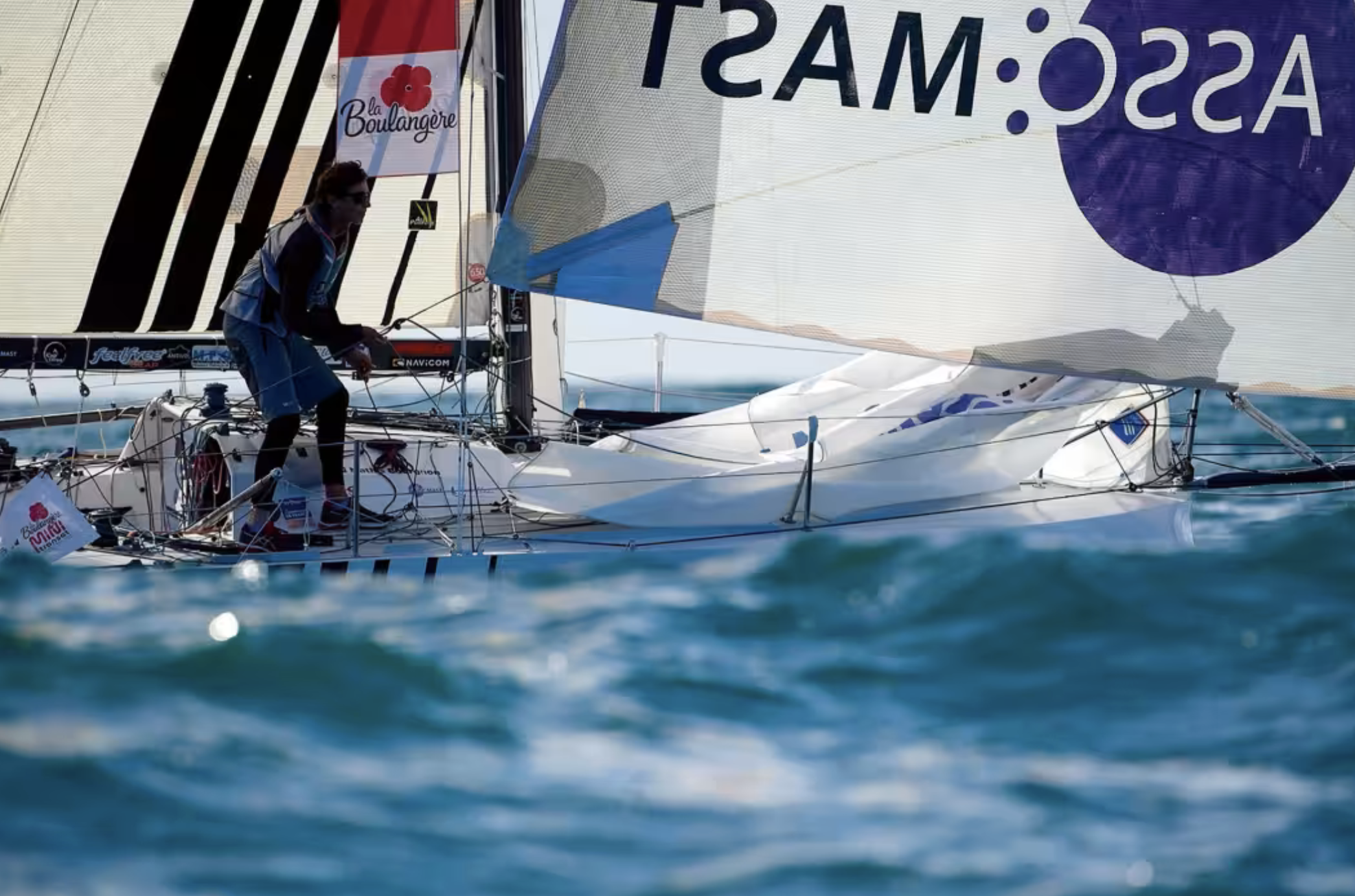
The Mini-Transat, officially known as the Mini Transat 6.50, is a grueling solo transatlantic yacht race that tests the limits of human endurance and ingenuity. First held in 1977, it covers approximately 4,050 nautical miles in two legs: typically from Les Sables-d’Olonne, France, to Santa Cruz de La Palma in the Canary Islands (about 1,350 nm), followed by a second leg to Saint-François in Guadeloupe (about 2,700 nm).
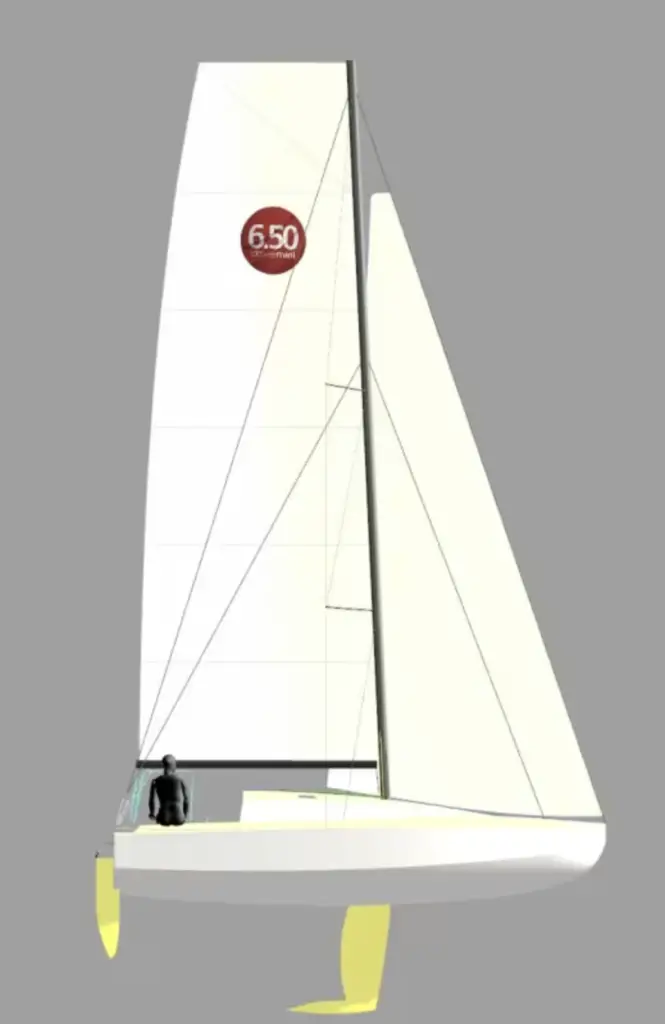
The race is sailed in compact 6.5-meter (21-foot) monohull boats adhering to strict class rules, divided into production (series) and prototype divisions.
What makes it uniquely challenging is the “no assistance” ethos: sailors are prohibited from external communications, advanced technology, or routing help, emphasizing self-reliance in one of the world’s most demanding ocean races. Non-completion rates are high, and the race has seen fatalities, underscoring its reputation as “one of the world’s most dangerous races.” To qualify, skippers must complete a 1,000 nm non-stop solo passage and accumulate 1,500 nm in qualifying races, ensuring they are prepared for the rigors ahead.
Physical Dangers of Solo Sailing
Solo sailing in the Mini-Transat demands immense physical stamina, as skippers manage every aspect of the boat alone for weeks. The primary physical challenge is sleep deprivation: racers typically sleep in 20-minute bursts, relying on autopilots, which can lead to extreme fatigue, reduced reaction times, and increased risk of errors. This exhaustion exacerbates other hazards, such as handling sails and rigging in heavy weather, where a single misstep can cause injuries like broken bones, cuts, or bruises.
Hypothermia is a constant threat, especially in cold Atlantic waters or during squalls, where wet clothing and exposure can rapidly lower body temperature. Swollen limbs from infections, dehydration, or even severe incidents like self-amputation in extreme cases have been reported in similar solo ocean voyages. The small boat size amplifies wave impacts, leading to potential capsizes or knockdowns, where sailors must right the vessel manually. Collision risks with shipping traffic, debris, or whales add to the peril, particularly at night in busy lanes like the English Channel or near the finish.
Psychological Dangers of Solo Sailing
The mental toll is often cited as the hardest aspect of solo ocean racing. Isolation for 20-30 days fosters loneliness, anxiety, and hallucinations from chronic sleep loss. Skippers must maintain focus amid fear-inducing conditions like towering waves or pitch-black nights, where the mind can spiral into doubt or panic. Managing emotions—such as frustration from equipment issues or the pressure to push limits without breaking—is crucial, as psychological resilience often determines finishers from dropouts.
Veterans describe the Southern Ocean’s psychological parallels, but in the Mini-Transat, the Atlantic’s unpredictability amplifies this, with some sailors reporting terror from approaching squalls or the vast emptiness. Preparation includes mental training, but the race’s no-communication rule heightens the sense of abandonment.
Weight Restrictions, Rules, and Regulations
The Classe Mini enforces a “box rule” to keep boats affordable and innovative: maximum length 6.5m, beam 3m, draft about 2m, and mast height roughly twice the boat’s length. Production boats limit materials (e.g., aluminum masts, polyester hulls) to control costs, requiring at least 10 units built for class eligibility, while prototypes allow advanced features like canting keels or carbon masts.
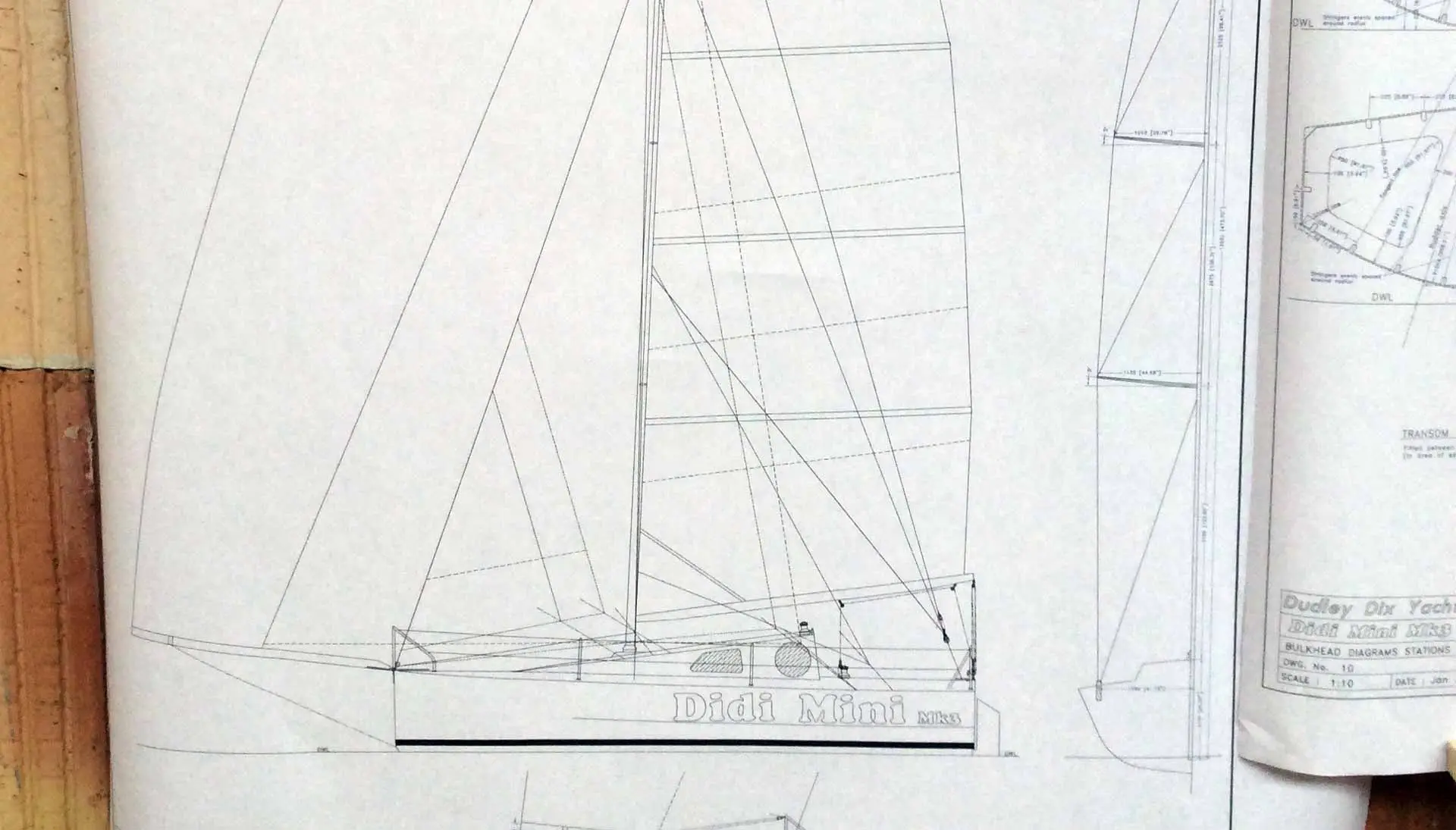
Weight management is critical; boats must be self-righting (tested by submerging the mast with open hatches), and total weight is minimized for speed—often under 1,000 kg empty. Rules prohibit excessive power sources, enforcing minimalism: no large batteries or fuel-hungry devices. Inspections ensure compliance, with penalties for violations.
This fosters creativity but demands careful payload decisions to avoid overloading, which could slow the boat or compromise stability.
Determining What to Bring and Equip on the Sailboat
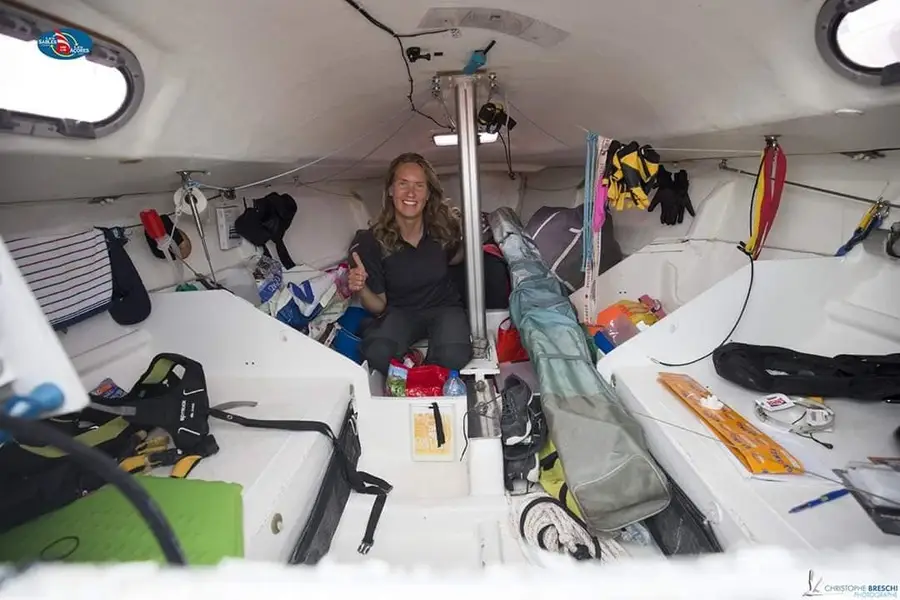
Space and weight constraints force ruthless prioritization. Essentials include:
- Sails: Limited to six (e.g., mainsail, jibs, spinnakers) to cover wind ranges; choices balance durability and performance.
- Navigation: Basic GPS for position (no charts displayed), paper charts, compass, and sometimes a sextant for backups.
- Safety Gear: Life jacket, harness, EPIRB, VHF radio (limited use), flares, and a liferaft.
- Tools and Spares: Multi-tool, epoxy, spare lines, pumps for repairs—everything must be lightweight and multifunctional.
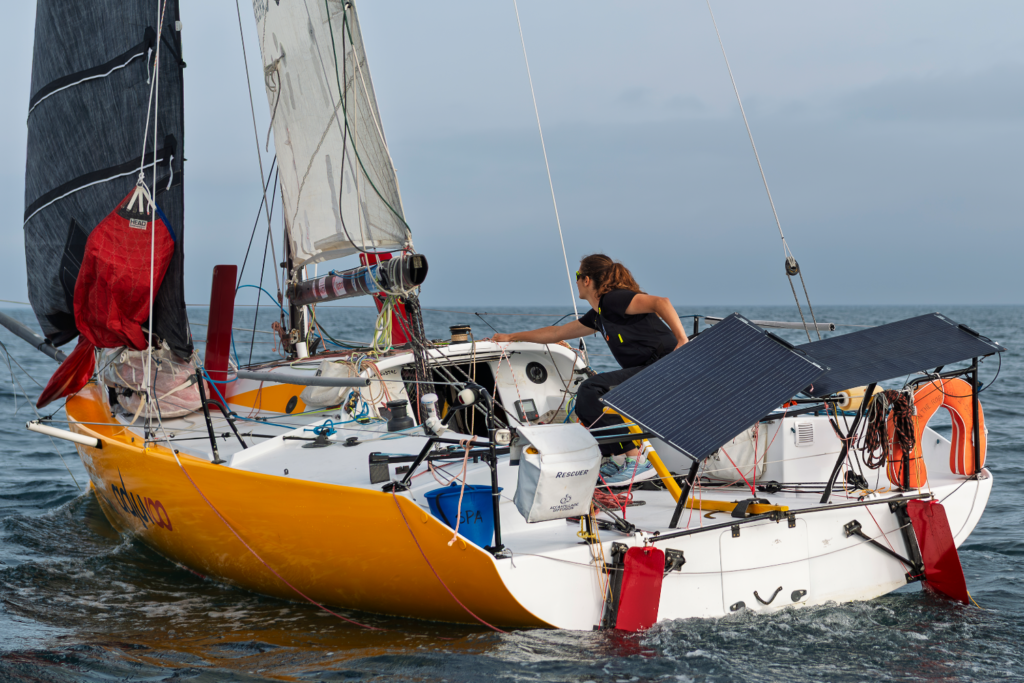
- Power: Solar panels or small generators for minimal electronics; no heavy systems.
Skippers test setups during qualifiers, weighing trade-offs like extra food vs. speed.
Water Sources
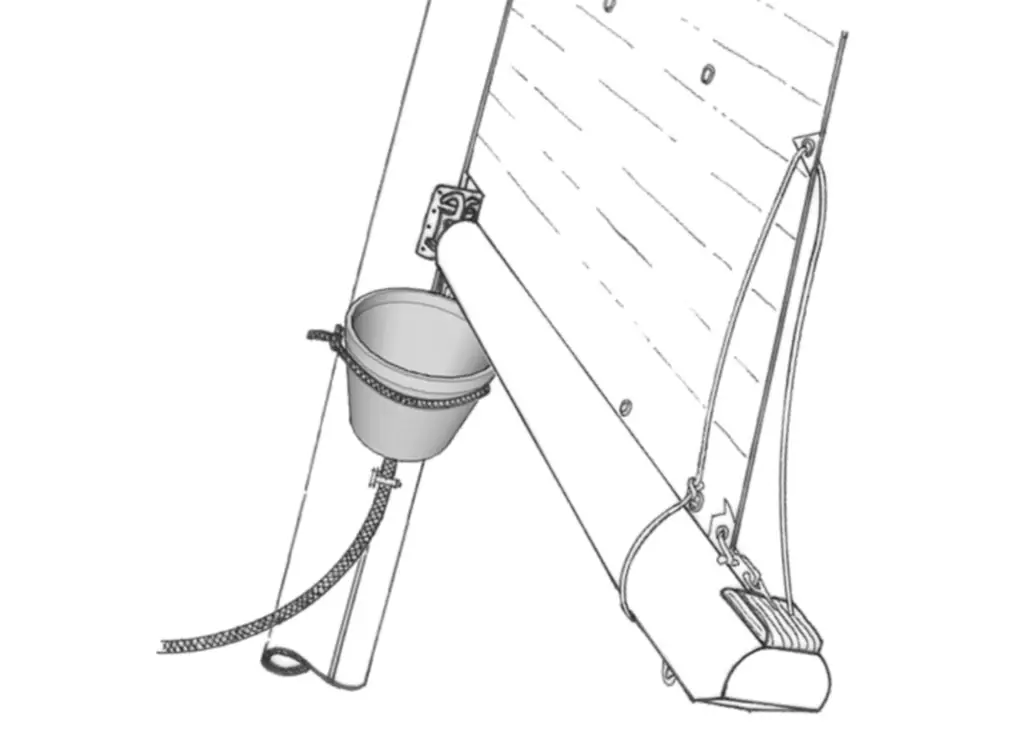
Water is a logistical nightmare in such small boats. Racers carry initial supplies (e.g., 20-30 liters) but rely on manual or foot-pumped desalinators to convert seawater, as electric ones drain limited power. Rain collection via sails or buckets supplements, but in dry trades, rationing is key—dehydration risks rise with physical exertion. Rules allow basic systems, but failures mean survival mode.
Medical Supplies
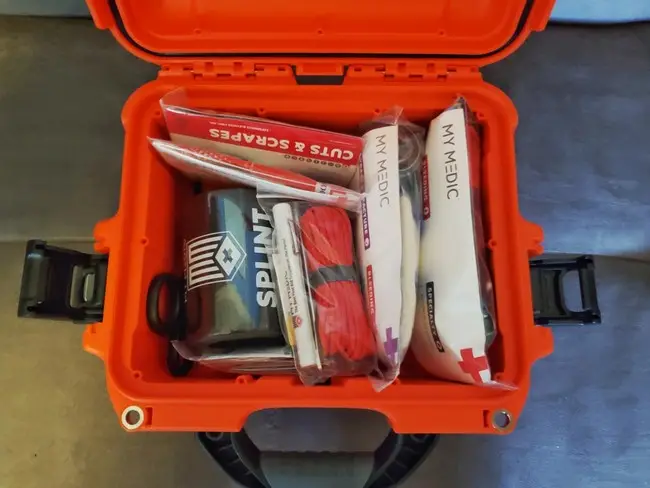
As a medical professional might appreciate, the onboard kit is basic yet vital: antibiotics for infections, painkillers, bandages, sutures for wounds, anti-seasickness meds, and treatments for hypothermia or burns. Skippers handle self-care, from stitching cuts to managing chronic conditions like rheumatoid arthritis. No external medical advice is allowed, so pre-race training in first aid is mandatory. Incidents like swollen arms from pus or broken ribs highlight the need for resilience.
Advanced Technology Navigation Restrictions
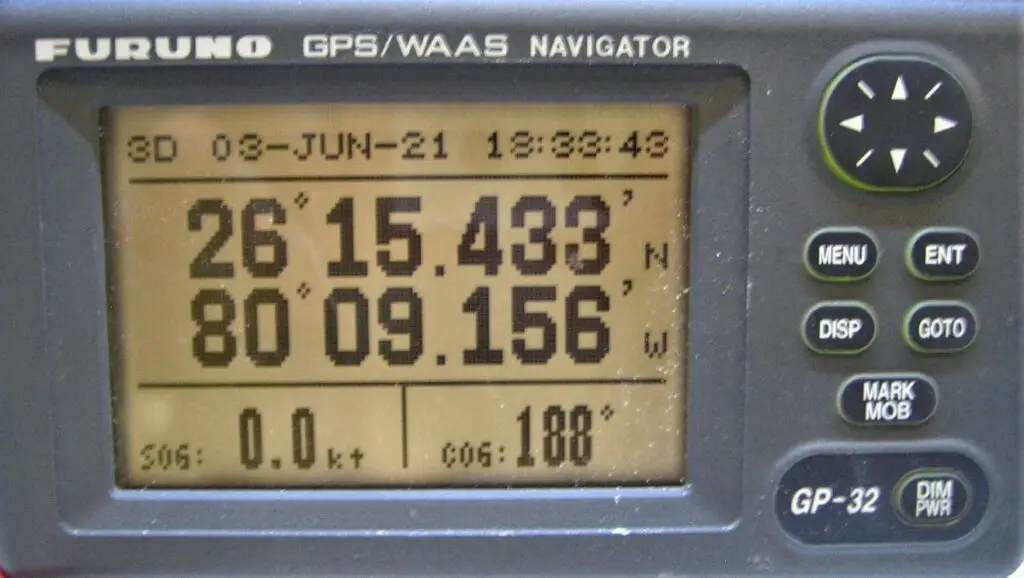
To preserve the race’s spirit, advanced tech is banned: no satellite phones, laptops, chart plotters, or autopilots beyond basic tiller pilots. Navigation relies on dead reckoning, basic GPS coordinates plotted on paper charts, and celestial methods if needed. This “back to basics” approach increases error risks but hones skills.
Restrictions on Weather Forecasts
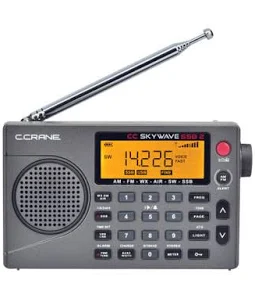
No external routing or satellite GRIB files; only a daily audio forecast via SSB radio receiver from race organizers, covering pressure systems and zones. Skippers interpret clouds, barometers, and waves for real-time decisions, making sudden squalls or calms harder to anticipate.
Food Storage
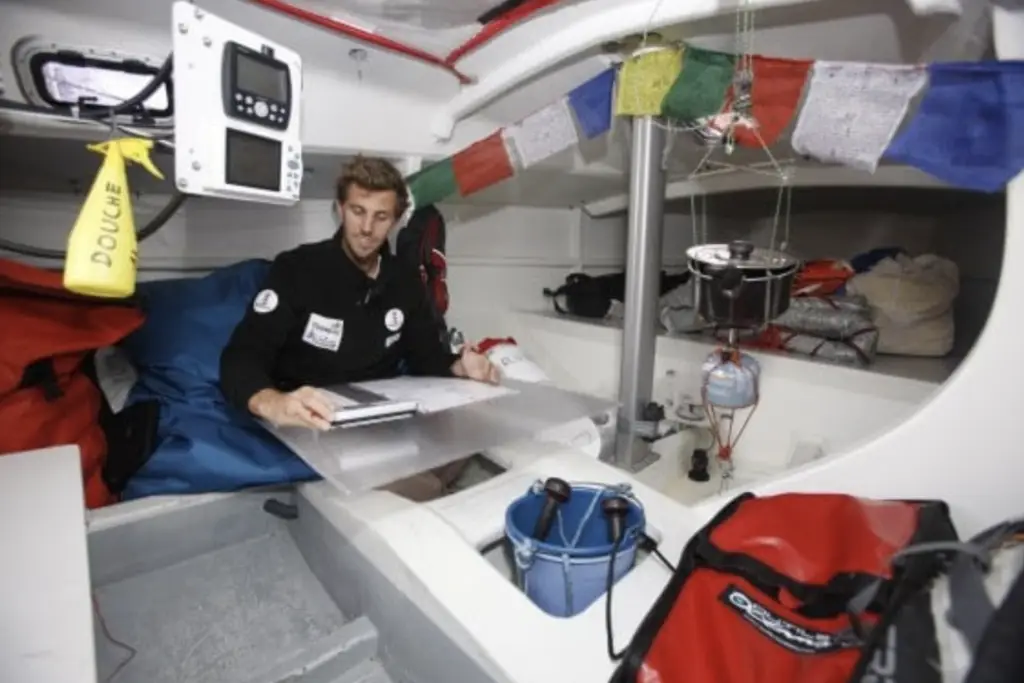
Food must be compact, non-perishable, and energy-dense: freeze-dried meals, energy bars, nuts, and dehydrated items stored in waterproof bags. No refrigeration, so shelf-stable options prevail; portioning prevents waste amid weight limits. Caloric needs (3,000-4,000/day) demand planning, with some sailors using one-pot cooking on small stoves.
Weather Conditions
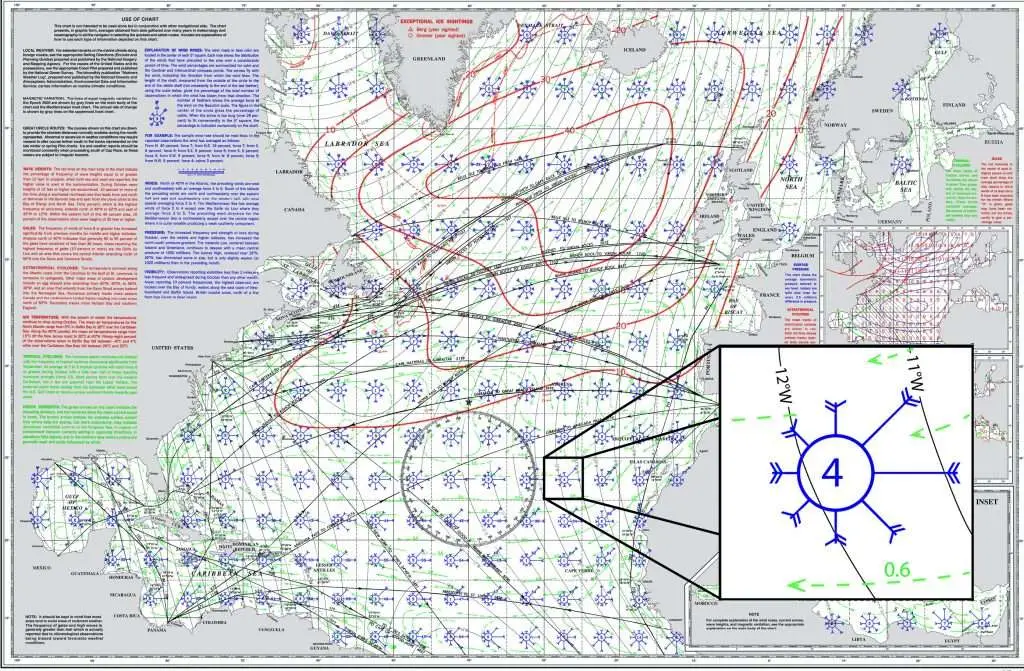
The Atlantic delivers variable challenges: trade winds for speed, but also doldrums with calms, tropical storms, or 40-knot squalls with 10-20 foot waves. The 2013 edition was notoriously brutal with horrific weather. Climate change may intensify extremes, requiring adaptive strategies.
Equipment Failure
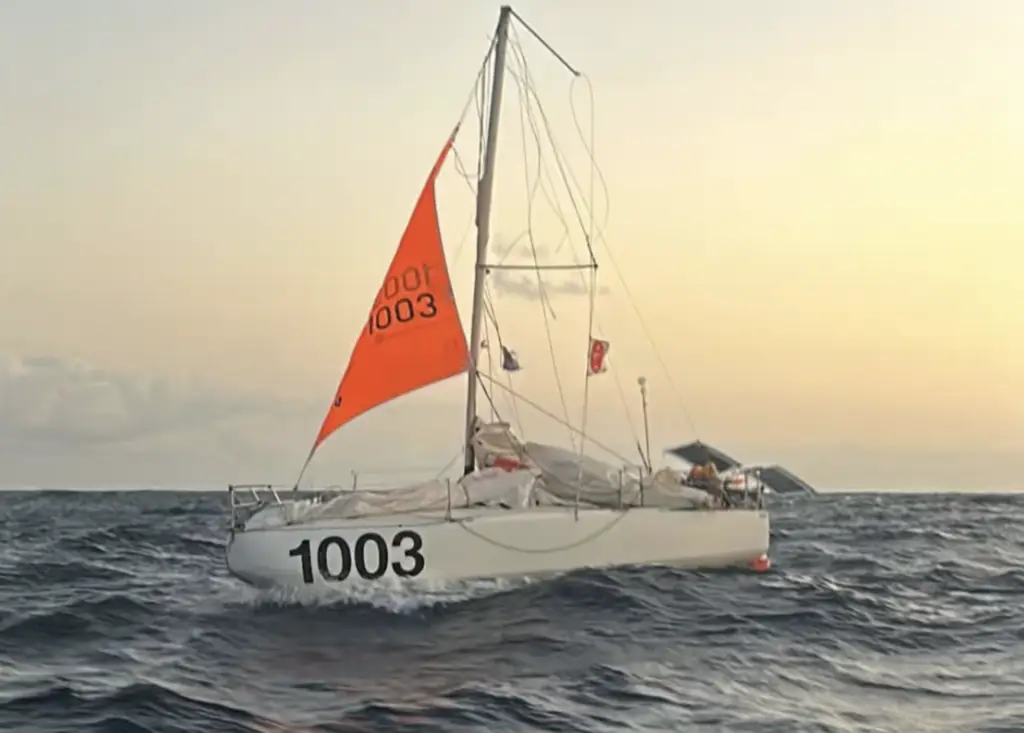
Breakdowns are inevitable: snapped rudders, torn sails, or failed autopilots must be fixed solo with limited tools. Attrition from gear issues is high; redundancy (e.g., dual autopilots) helps, but weight trade-offs limit options.
Other Notable Problems
- Sea Piracy and Traffic: Rare but discussed in routes near Africa or busy straits.
- Environmental Hazards: Coral reefs, shifting sands, or marine life collisions.
- Financial and Prep Challenges: Boat prep costs and sponsorships are barriers.
- Historical Incidents: A 2009 drowning highlighted dangers; stricter safety rules followed, like harnesses and closed hulls.
- Post-Race Recovery: Physical/mental readjustment after such isolation.
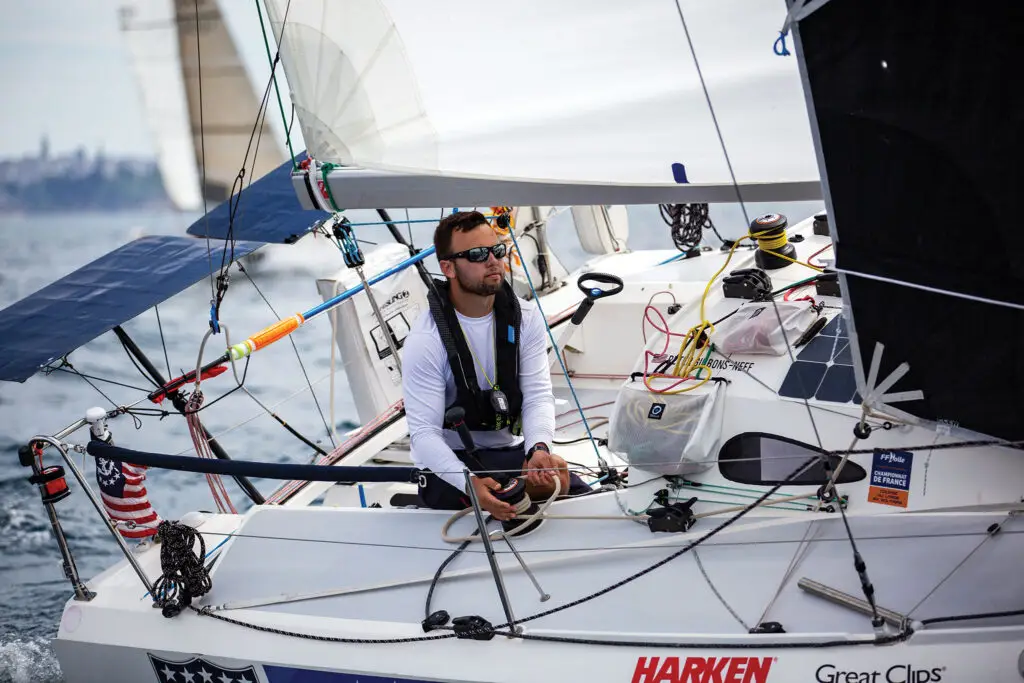
the Mini-Transat embodies extreme self-reliance, where success hinges on balancing preparation, adaptability, and sheer willpower against the ocean’s unforgiving nature.
About The Author