1993 Mini Transat
The 1993 edition of the Mini Transat was marked by exceptionally severe weather conditions, which created significant challenges for the participants. This led to the cancellation of the first leg of the race, the triggering of numerous emergency beacons, and tragically, the disappearance of one sailor. These factors contributed to a high number of boats not finishing, as the extreme conditions overwhelmed many competitors and their vessels.
Perils Faced by Entries in the 1993 Mini Transat
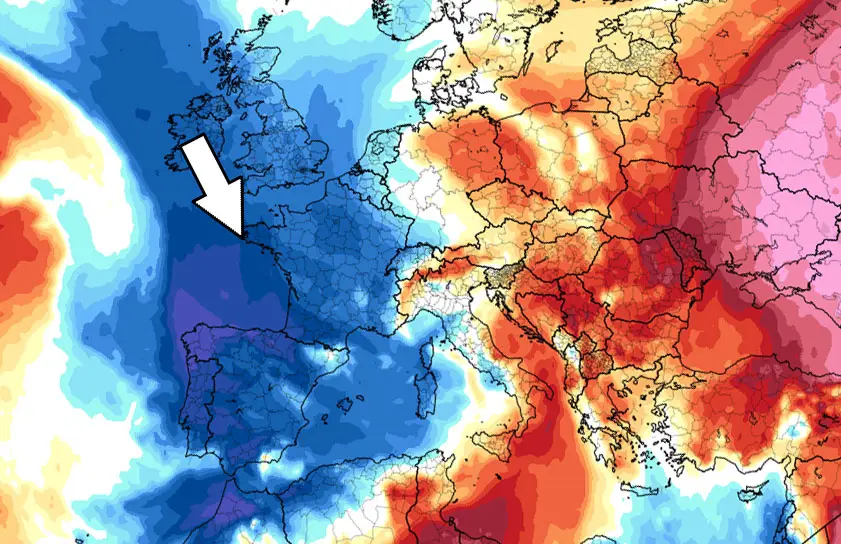
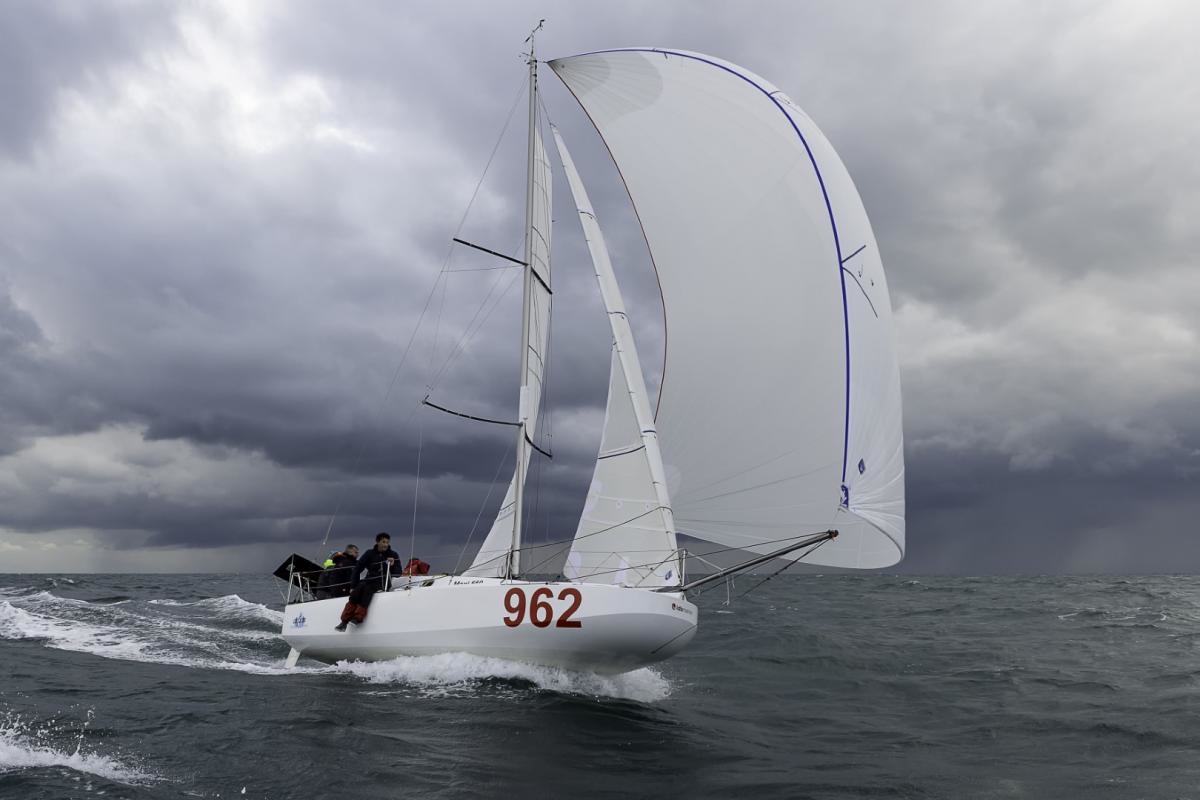
The 1993 Mini Transat, a solo transatlantic race for 6.5-meter boats, was one of the most challenging editions in the event’s history due to extreme weather conditions. The race, which started from France and was intended to cross to the Caribbean, encountered a severe storm system shortly after departure. Winds exceeded 50 knots in gusts, with waves reported up to 10-15 meters high in the Bay of Biscay and Atlantic.
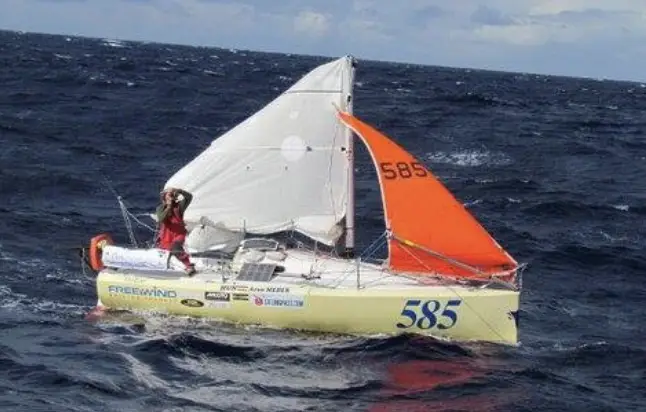
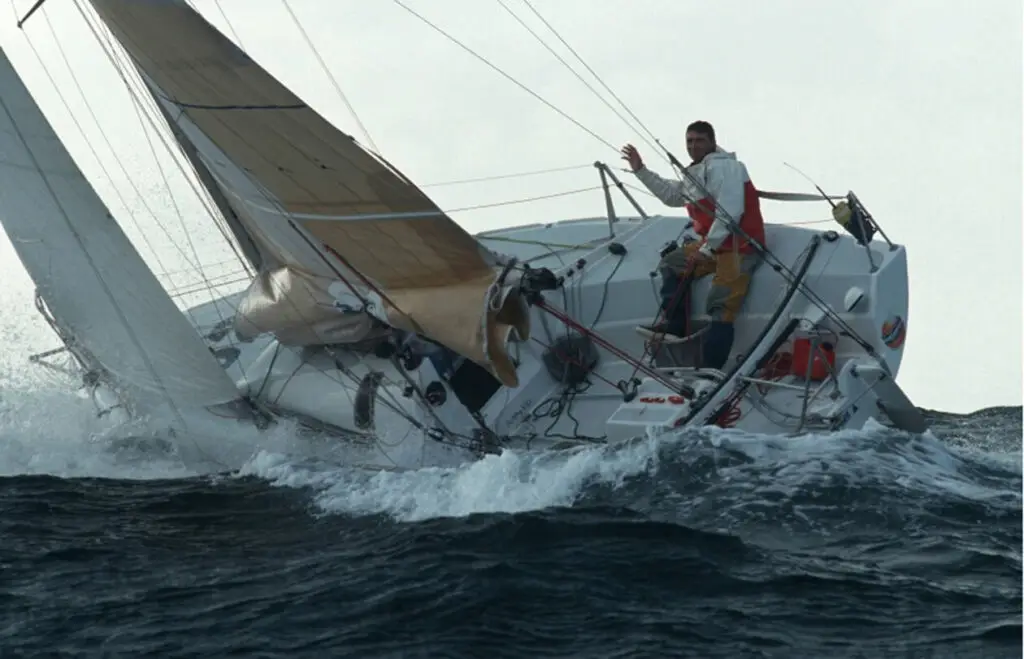
These conditions led to widespread boat damage, including broken masts, rudder failures, and hull breaches from the pounding seas. Many sailors activated their emergency beacons (EPIRBs), triggering large-scale rescue operations involving French naval vessels and helicopters. The perils included not only physical dangers like capsizing and dismasting but also psychological strain from isolation in life-threatening conditions, with sailors facing hypothermia, exhaustion, and the constant risk of abandonment.
Tragically, French sailor Pascal Leys, sailing the prototype boat Sodifac Roubaix (sail number 59), disappeared during the storm. His last known position was in the midst of the rough weather, and despite search efforts, neither he nor his boat was ever found.
This loss highlighted the race’s inherent risks for solo sailors in small, lightweight vessels. The severity of the storm forced race organizers to cancel the first leg entirely, a rare decision that prioritized sailor safety over competition.
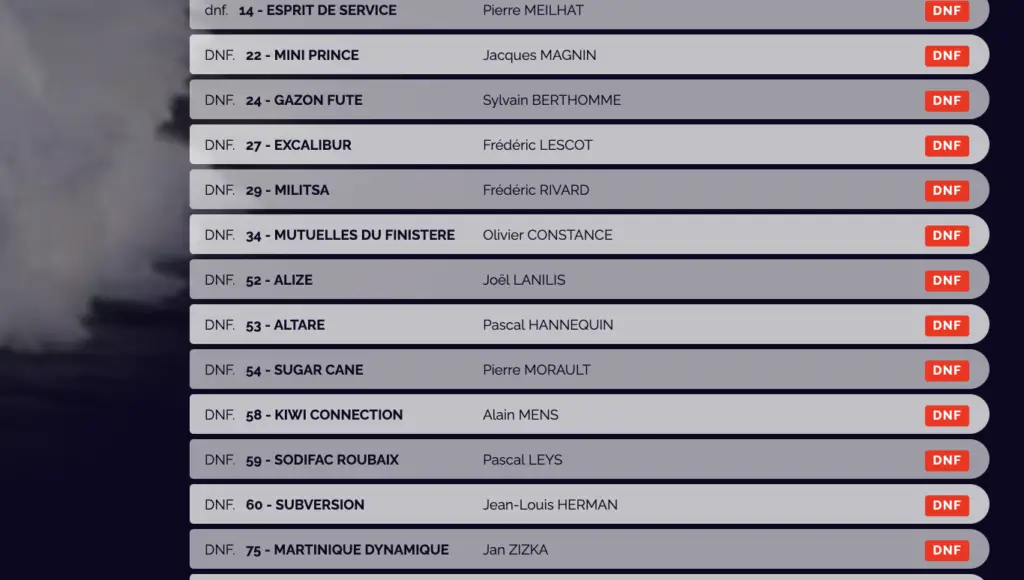
Out of approximately 53 starters in the proto class alone, a significant number did not finish (DNF), with attrition rates reflecting the chaos. The event underscored the vulnerabilities of mini yachts in open ocean storms, where even well-prepared entrants could be overwhelmed by nature’s force.
Decisions by the Classe Mini 6.5 Board for Future Races
In the aftermath of the 1993 disaster, the Classe Mini 6.5 board, the governing body for Mini 6.50 racing, conducted a thorough review to enhance safety and preparedness. Key decisions included tightening qualification requirements for participants, mandating more rigorous preparatory races and sea miles to ensure sailors had sufficient experience in adverse conditions.
They also emphasized improved boat standards, such as reinforced structures and better emergency equipment. These changes aimed to reduce unnecessary risks while preserving the race’s adventurous spirit. Similar reforms were reinforced after the 1999 edition, which saw another high dropout rate, leading to additional mandatory training and equipment checks.
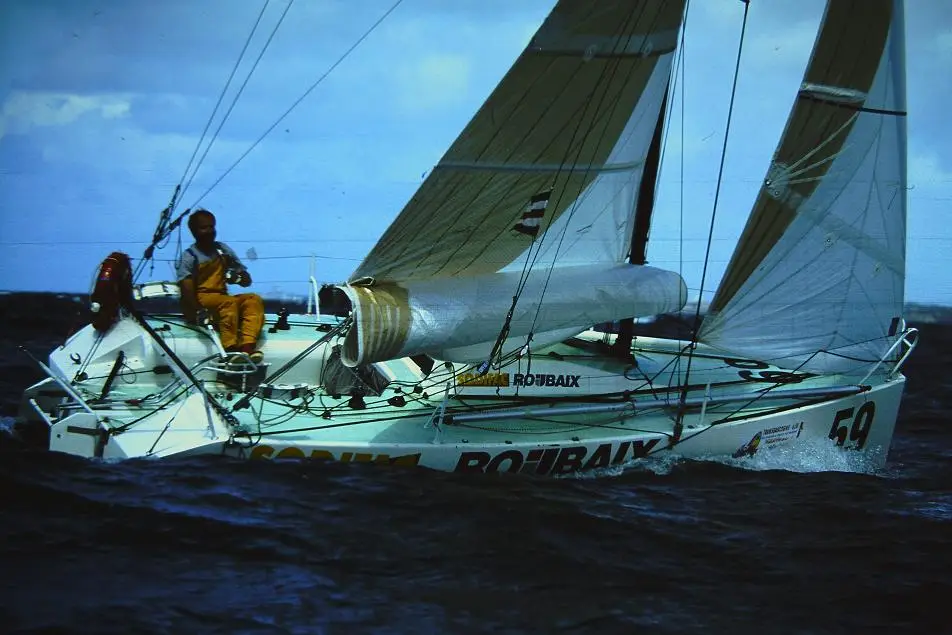
Pascal Leys, a French sailor and one of the favorites in the prototype class, disappeared during the 1993 Mini Transat race and is presumed to have died. He was sailing the boat Sodifac Roubaix (sail number 59). The incident occurred during the first leg of the race, which started from Brest, France, en route to the Canary Islands.
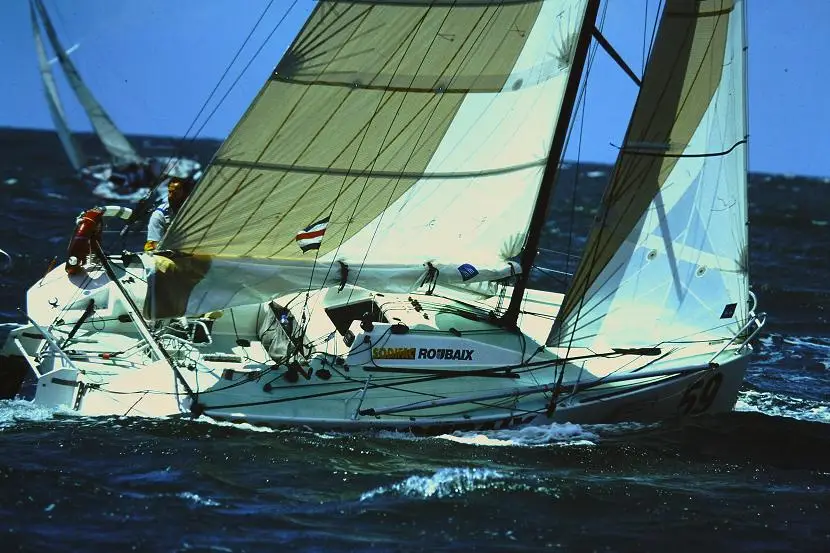
While negotiating the Bay of Biscay, the fleet encountered a deep depression that generated particularly violent winds and severe weather conditions. These conditions led to widespread distress among the competitors, with multiple emergency beacons activated and rescue operations launched. Leys’ last known position was in the midst of this storm, but neither he nor his boat was ever located despite search efforts.
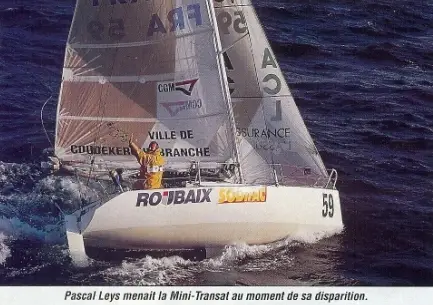
The severity of the event prompted race organizers to cancel the first leg entirely to prioritize sailor safety, and the race resumed with only a second leg, which was won by Thierry Dubois. No other fatalities were reported in this edition.
About The Author