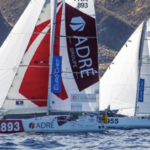
The 1999 Mini Transat, a solo transatlantic race for 6.5-meter boats starting from Concarneau, France, and heading to Lanzarote in the Canary Islands for the first leg (before continuing to Salvador de Bahia, Brazil), was plagued by severe weather and a high attrition rate. Out of 72 starters from 13 countries, only 37 finished the race, marking a 48.6% dropout rate.
The perils were multifaceted, encompassing brutal weather, technical failures, physical injuries, and psychological challenges, particularly in the treacherous Bay of Biscay. The race highlighted the vulnerabilities of these small, lightweight vessels and the inexperience of some sailors, exacerbated by the increasing reliance on electronics over traditional seamanship skills.
Weather Conditions and Environmental Perils
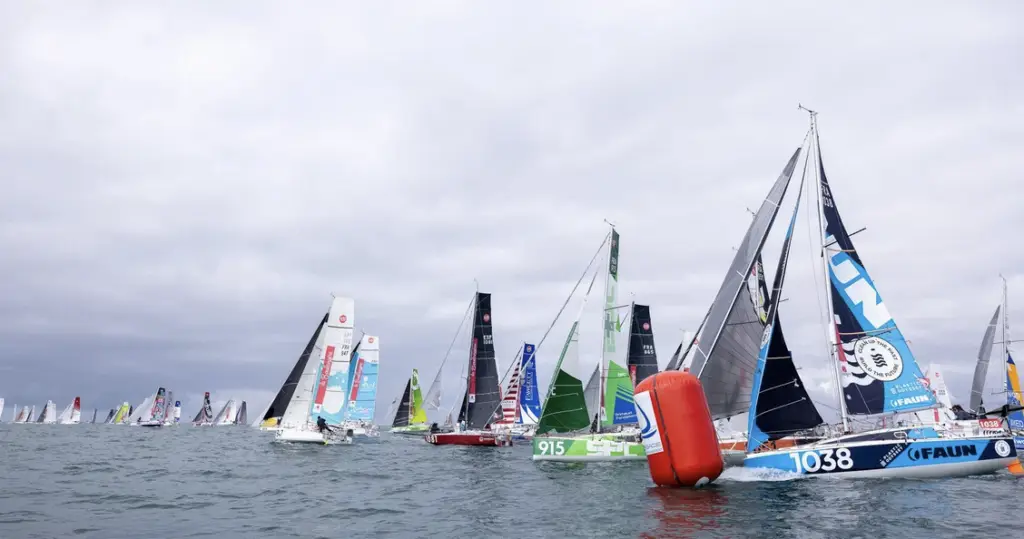
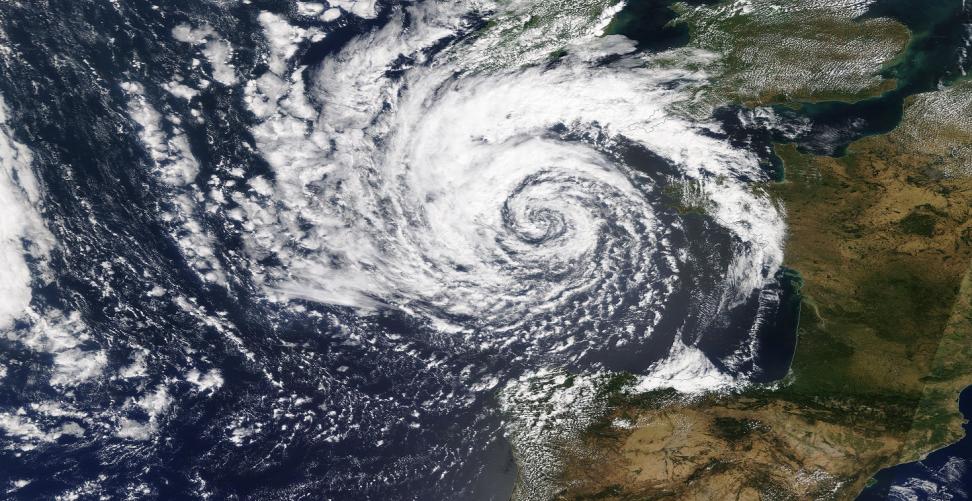
The race began under relatively benign conditions on September 26, with southwest winds of 15-20 knots, allowing for a competitive start. However, conditions deteriorated rapidly as the fleet entered the Bay of Biscay. Winds escalated to gusts of 30 knots by evening, building to 30-35 knots (with stronger gusts) by the next day, accompanied by very rough seas in the shallow waters.
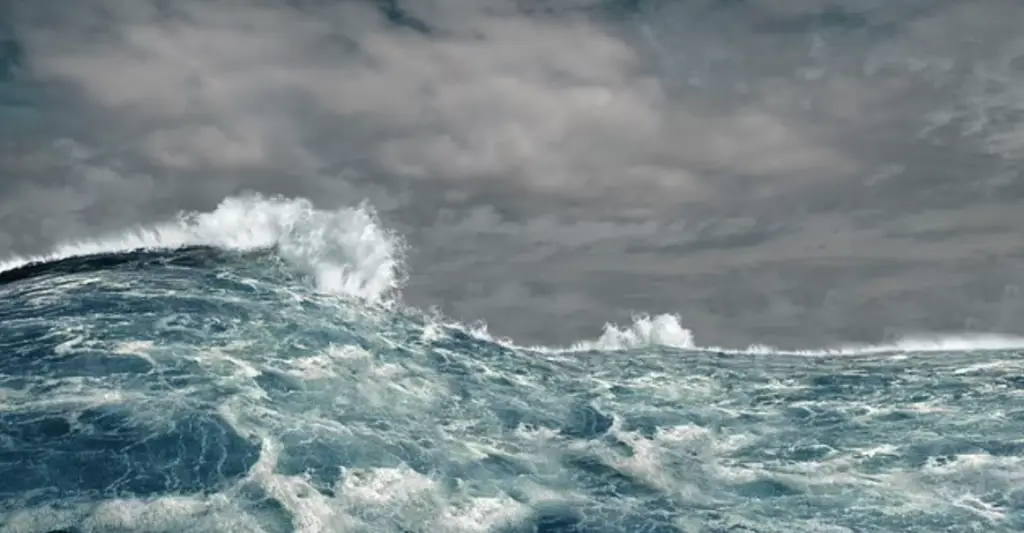
An approaching deep depression intensified the storm, bringing potential 40-knot headwinds and peaking at 35-40 knots overall, with forecasts of up to 50 knots in confused, pounding seas. Sailors described the seas as “crazy” and “evil,” with the tiny 21-foot boats subjected to a “washing machine” or “gyroscopic” motion, leading to constant discomfort, exhaustion, and the risk of capsizing or dismasting.
The Bay of Biscay’s reputation for hostile conditions was amplified by the shallow depths, which steepened waves and increased the pounding effect on hulls and rigs.
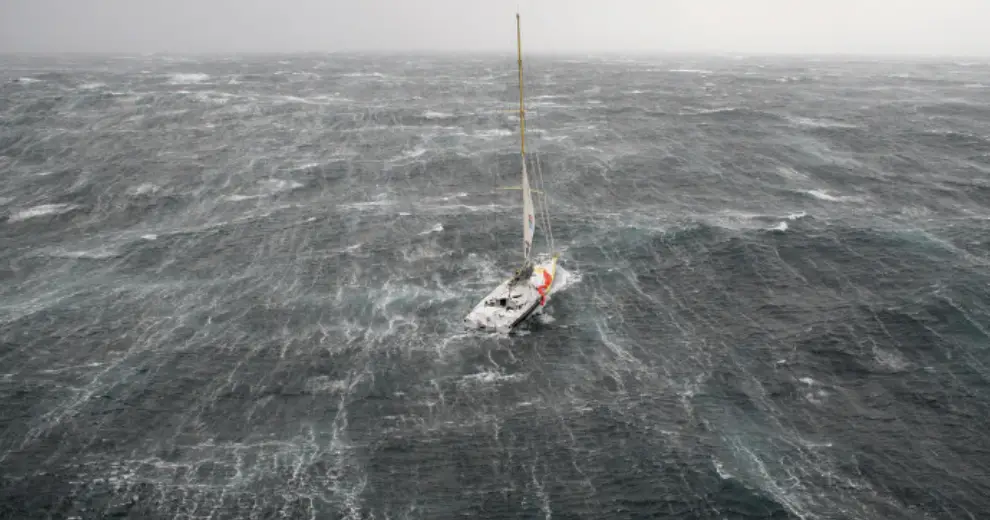
These conditions overwhelmed many entrants, forcing decisions between pushing through or retreating. The psychological toll was significant: isolation in life-threatening weather led to unnecessary EPIRB activations by less experienced sailors, who triggered beacons out of panic rather than genuine peril. The storm’s intensity decimated the fleet early, with projections that half might not resume until the weather passed
Technical Failures and Boat Damage
The severe weather triggered widespread equipment failures and structural damage, contributing to the high DNF rate. Within the first 12 hours, around 20 boats returned to Concarneau or nearby ports due to issues like autopilot malfunctions, damaged bows from collisions, lost daggerboards, rigging problems, and keel damage from grounding on rocks.
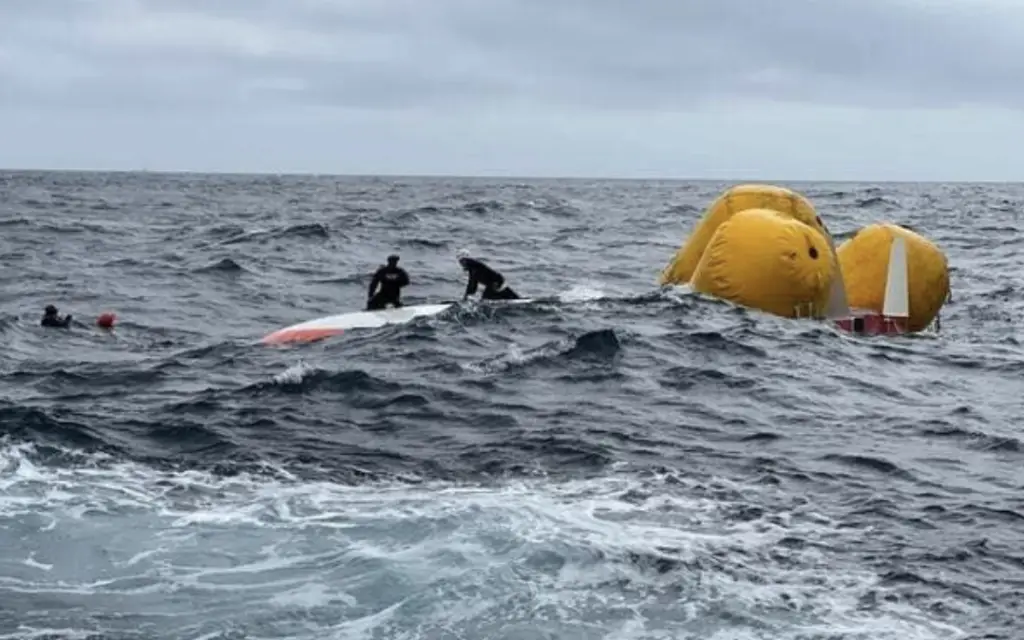
As the storm intensified, breakages escalated: broken rudders (e.g., Andrew Cape’s unique rudder system failed, leaving him rudderless), destroyed mainsails (e.g., Yann Jameson’s), broken masts, and persistent pilot failures. By the second day, 16 boats were back in Concarneau, seven more en route due to damage, and at least 20 in port overall.
Specific incidents included:
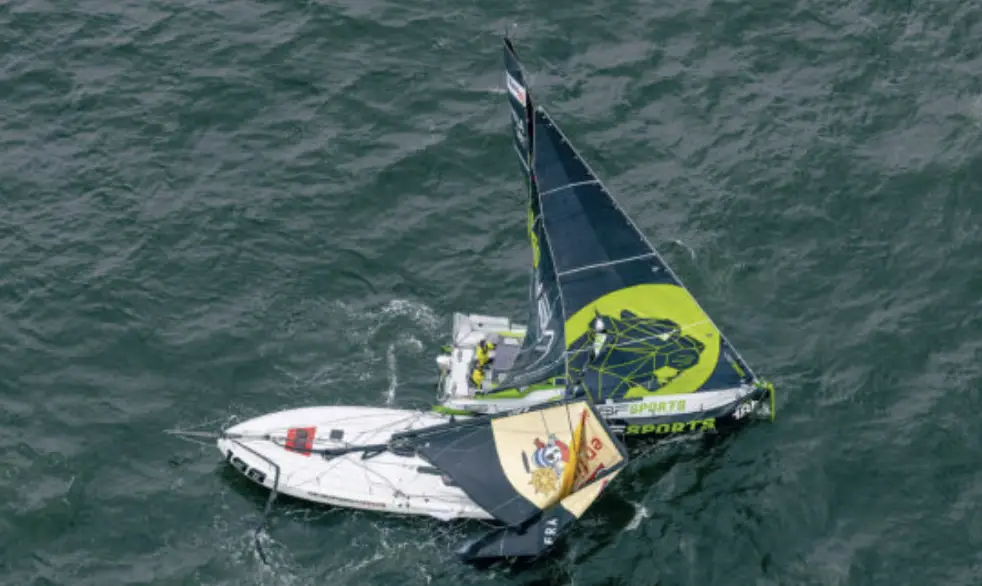
- A collision at the start line damaged Australian Nick Moloney’s bow (Wild Colonial Boy), exposing the foam core; he returned for repairs and rejoined late, facing 30-knot gusts in the dark.
- French favorite Lionel Lemonchois lost his daggerboard (critical for stability) and returned to refit it.
- British sailor Peter Heppel retreated due to autopilot issues and weather concerns.
- British competitor Paul Peggs (Blue One) activated his EPIRB 83 miles off Spain, triggering a Spanish Navy spotter plane check; the signal stopped, suggesting manual deactivation, but it underscored the panic in the fleet.
The reliance on electronics (e.g., autopilots) reduced emphasis on skills like sextant navigation, leading to higher vulnerability when systems failed. Physical injuries, such as broken bones, were reported amid the chaos.
Psychological and Human Factors
The emotional buildup was intense: a year of preparation culminated in tearful farewells, heightened by rumors of delays due to the forecast. Once underway, the mental strain was profound—sailors faced isolation, constant discomfort, and the fear of worsening conditions, leading some to retreat psychologically. Inexperience played a role; many triggered EPIRBs unnecessarily, amplifying rescue efforts and dropout rates.
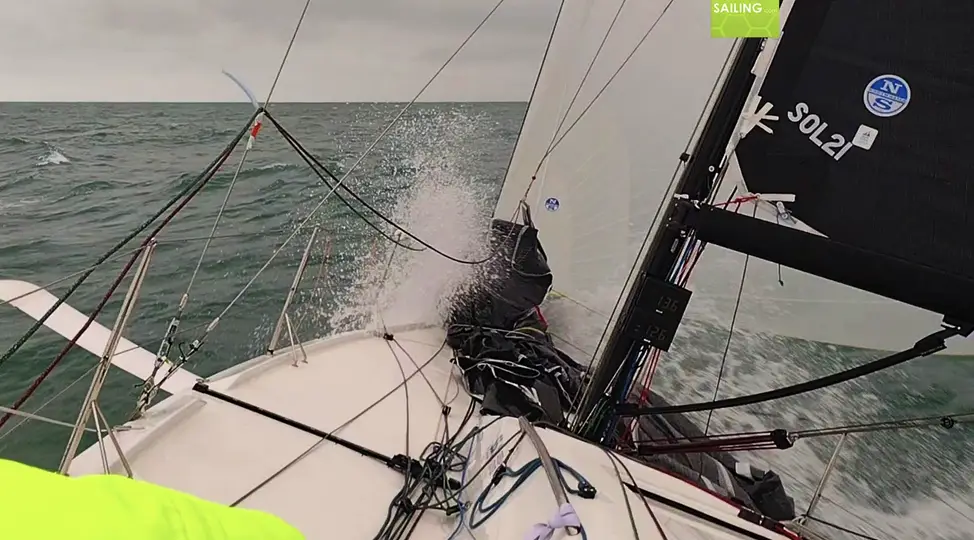
Veterans like Moloney described it as the “hardest moment” in their careers, refusing to quit despite setbacks. Non-French entrants, including Brits like Alex Bennett (12th early on) and Andrew Cape (top 15 initially), performed well initially but faced the same battering. No fatalities occurred, unlike the 1993 edition, but the race tested human limits, with thoughts of family amid pounding seas.
Decisions by the Classe Mini 6.5 Board for Future Races
In the aftermath, the Classe Mini 6.5 board, the governing body for Mini racing, conducted a thorough review, including a survey of members, to address the high DNF rate and unnecessary EPIRB activations. Strongly encouraged by the French Sailing Federation (FFVoile), the board tightened qualification requirements to ensure better preparedness. Key changes, implemented starting in 2000, included:
- Mandating a 1,000-nautical-mile non-stop, single-handed qualification course to simulate race conditions.
- Expanding the race calendar from just three events to around 20, providing more opportunities to accumulate required miles and gain experience.
- Increasing total qualification miles to 1,500 (beyond the 1,000-mile course), completed via official races, to weed out underprepared sailors.
These reforms were first applied in the 2001 Mini Transat, resulting in significantly fewer retirements. The board also emphasized boat standards, such as reinforced structures and better emergency equipment, while preserving the class’s innovative spirit. Later evolutions (e.g., freezing new designs from 2024 and limiting new builds) built on this foundation but were not direct responses to 1999.
Were the Sailors and Race Board Caught Off Guard?
In short, they were not entirely caught off guard—the approaching storm was well-known, discussed extensively pre-start, and even sparked rumors of a delay. However, the decision to start reflected a mix of calculated risk, the race’s adventurous ethos, logistical pressures, and an underestimation of how quickly and severely the conditions would deteriorate.
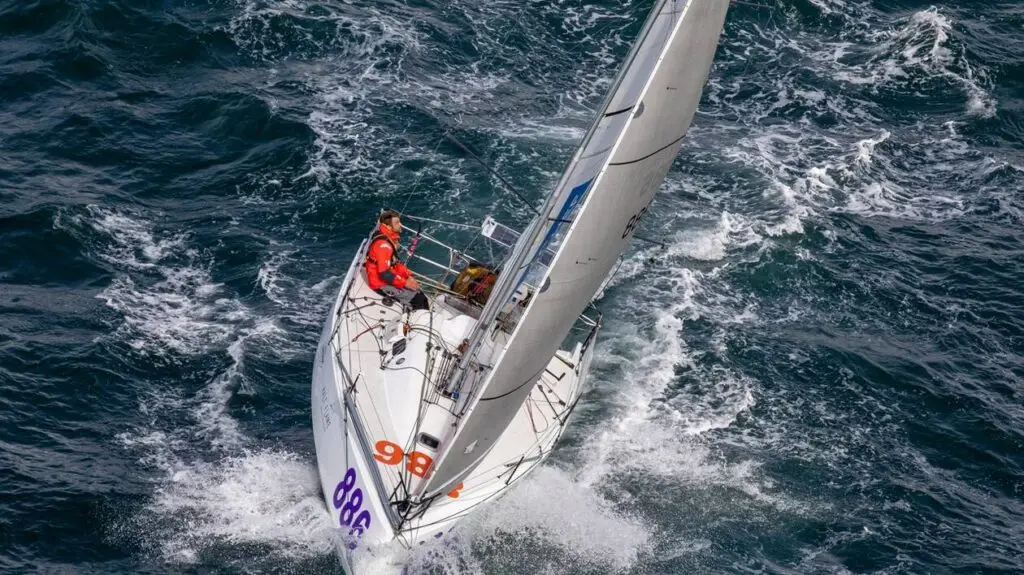
Offshore racing like the Mini Transat inherently involves pushing boundaries in small, solo-sailed boats, where weather risks are accepted as part of the challenge. The board and sailors weighed the favorable immediate conditions against the forecast, opting to proceed to capitalize on the starting window. In hindsight, the storm’s rapid escalation in the Bay of Biscay led to higher-than-expected attrition (only 37 of 72 finishers), but this was more a case of the weather exceeding predictions than complete surprise.
Pre-Start Awareness of the Weather Risks
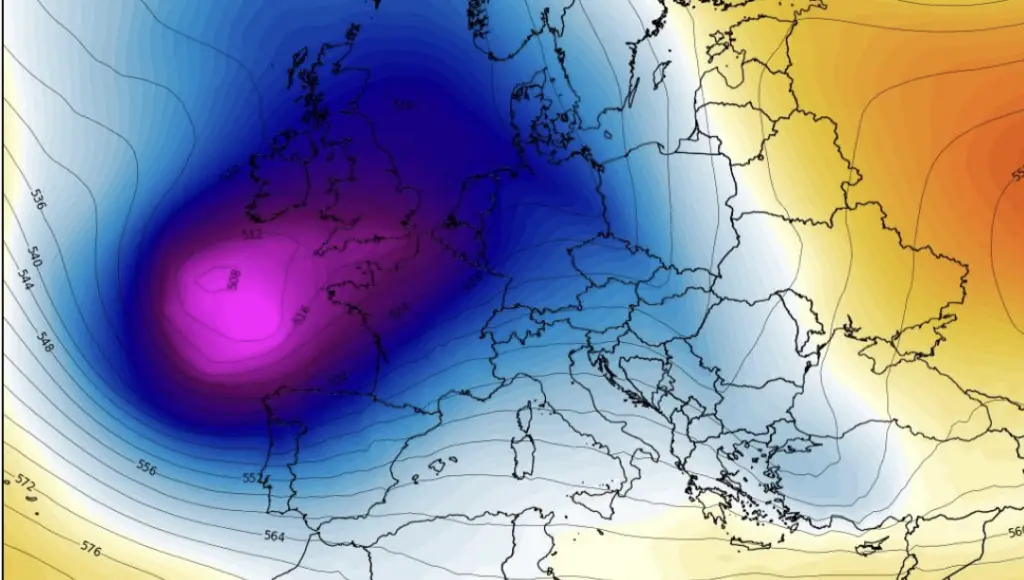
- Forecast Details: Organizers and sailors had access to meteorological data showing a “big depression” approaching France, with winds expected to build from the initial 15-20 knots southwest at the start to 30-35 knots (with stronger gusts) by Tuesday, accompanied by very rough seas in the shallow Bay of Biscay. The longer-term outlook included potential 40-knot headwinds persisting for up to three days, creating “washing machine-like” and “gyroscopic” motions in the 21-foot Minis—conditions that would be extremely uncomfortable and risky for solo sailors.
- Rumors and Tension: Dockside rumors circulated that the start might be delayed by a few days to avoid these headwinds. This heightened the already intense atmosphere, as the event represented the culmination of a year’s preparation for 70 solo skippers from 13 countries. Emotional scenes unfolded with tearful farewells from family and supporters, amplifying the psychological strain.
- No Ignorance: Unlike truly unforeseen events (e.g., the 1993 edition’s surprise deep depression), the 1999 forecast was openly debated. Sailors like British entrant Peter Heppel cited “concerns about the impending weather” as a reason for his early return, indicating widespread knowledge. Even non-French competitors, such as Australian Nick Moloney (a veteran of the America’s Cup and Whitbread), acknowledged the stormy outlook lasting at least a week.
Reasons for Proceeding Despite the Forecast
While no official statement from the Classe Mini board explicitly justified the decision (reports focus more on the race’s spirit than bureaucracy), several factors explain why they started:
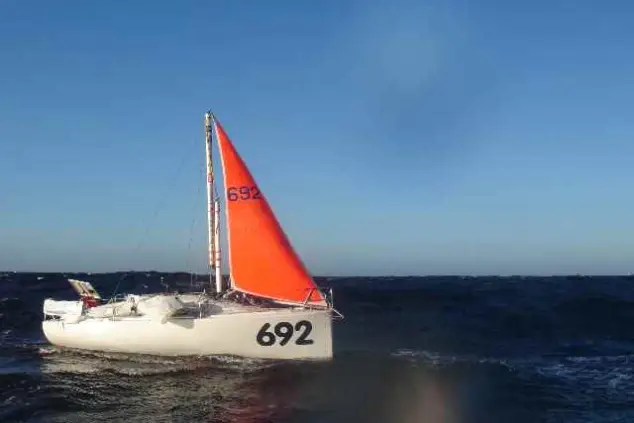
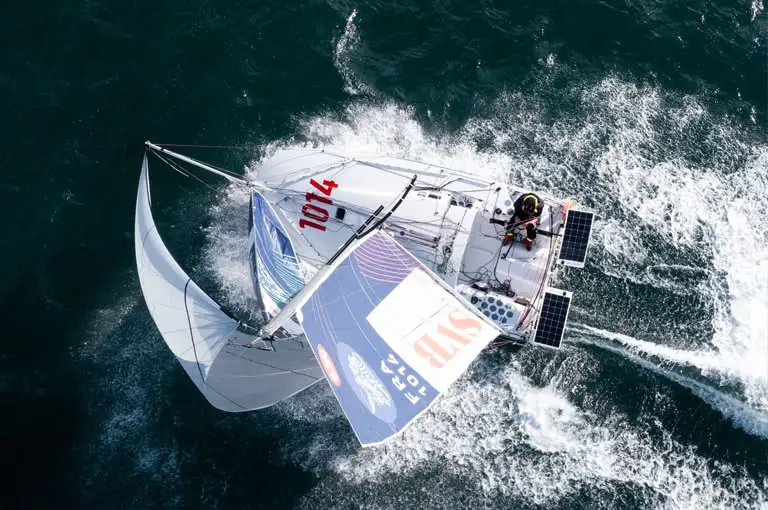
- Favorable Immediate Conditions: The start on September 26, just after 1500 in Concarneau (a Brittany fishing port), occurred under ideal weather—southwest winds of 15-20 knots allowing a clean, competitive departure. This provided a window to make initial progress southward before the depression fully hit, avoiding a beat directly into the worst of it if delayed. Delaying could have meant waiting out the entire system, potentially disrupting the race schedule and extending the already high emotional buildup.
- Race Philosophy and Risk Tolerance: The Mini Transat emphasizes self-reliance, innovation, and adventure in minimalist boats, often attracting sailors who thrive on challenges. Bob Salmon, the British founder attending for the first time in 16 years, highlighted how technological advances (e.g., electronics) hadn’t diminished the event’s core thrill. Proceeding aligned with this ethos—similar to criticisms in later editions (e.g., 2013) where some argued races should start despite storms, as elite boats could handle it. No one was criticized for withdrawing, but quitting pre-start after extensive prep was seen as mentally tough.
- Logistical and Practical Pressures: A delay would complicate volunteer-run operations, sponsor commitments, and participant morale. With 70 boats ready after qualifications, postponing risked eroding the fleet’s focus. In contrast, the 2003 edition was delayed due to Hurricane Fabian’s effects, showing the board learned to err more cautiously post-1999.
- Underestimation of Escalation: While aware, the exact speed and intensity of the deterioration may have been misjudged. Late-1990s forecasts lacked today’s precision (e.g., advanced satellite modeling), and the Bay of Biscay’s volatility—shallow waters steepening waves—amplified conditions beyond expectations. By the first 12 hours, winds gusted to 30 knots, prompting 20 boats to return due to technical issues (e.g., autopilot failures, collisions) or psychological decisions amid the discomfort.
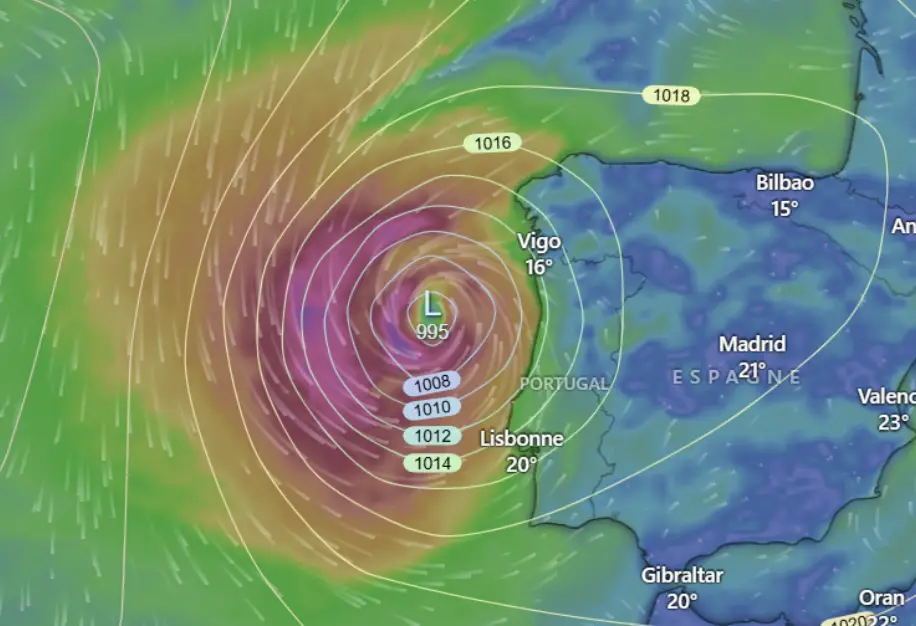
Early Race Outcomes and the Storm’s Impact
The decision’s consequences unfolded quickly, validating concerns but also showing the race’s resilience:
- Initial Success: Nick Moloney crossed first but collided, exposing his bow’s foam core; he repaired and relaunched into 30-knot gusts, calling it his career’s “hardest moment” but refusing to quit. French favorites like Lionel Lemonchois led early but returned after losing a daggerboard. Brits Alex Bennett (12th) and Andrew Cape (top 15) performed well initially.
- Rapid Attrition: By Monday sunrise, 20 boats were back in port, citing rigging issues, keel damage from grounding, or family-influenced retreats amid pounding seas. The storm’s “crazy seas” caused widespread breakages (e.g., rudders, masts) and unnecessary EPIRB activations from inexperience.
- No Fatalities, But Lessons Learned: Unlike 1993’s tragedy, 1999 had no deaths, but the 48.6% DNF rate prompted reforms: a 1,000-mile solo qualification course, 1,500 total miles via races, and an expanded calendar for better prep, effective from 2001. This reduced future retirements significantly.
In summary, the board and sailors knew the risks but proceeded due to good starting weather, the race’s demanding nature, and practical considerations—not being fully “caught off guard” but accepting uncertainty as inherent to ocean racing. This event spurred evolutions in qualification standards, influencing safer future editions.
About The Author